How Surgery Influenced My Photography
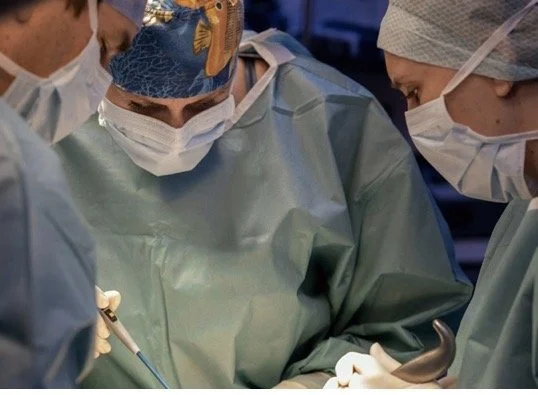
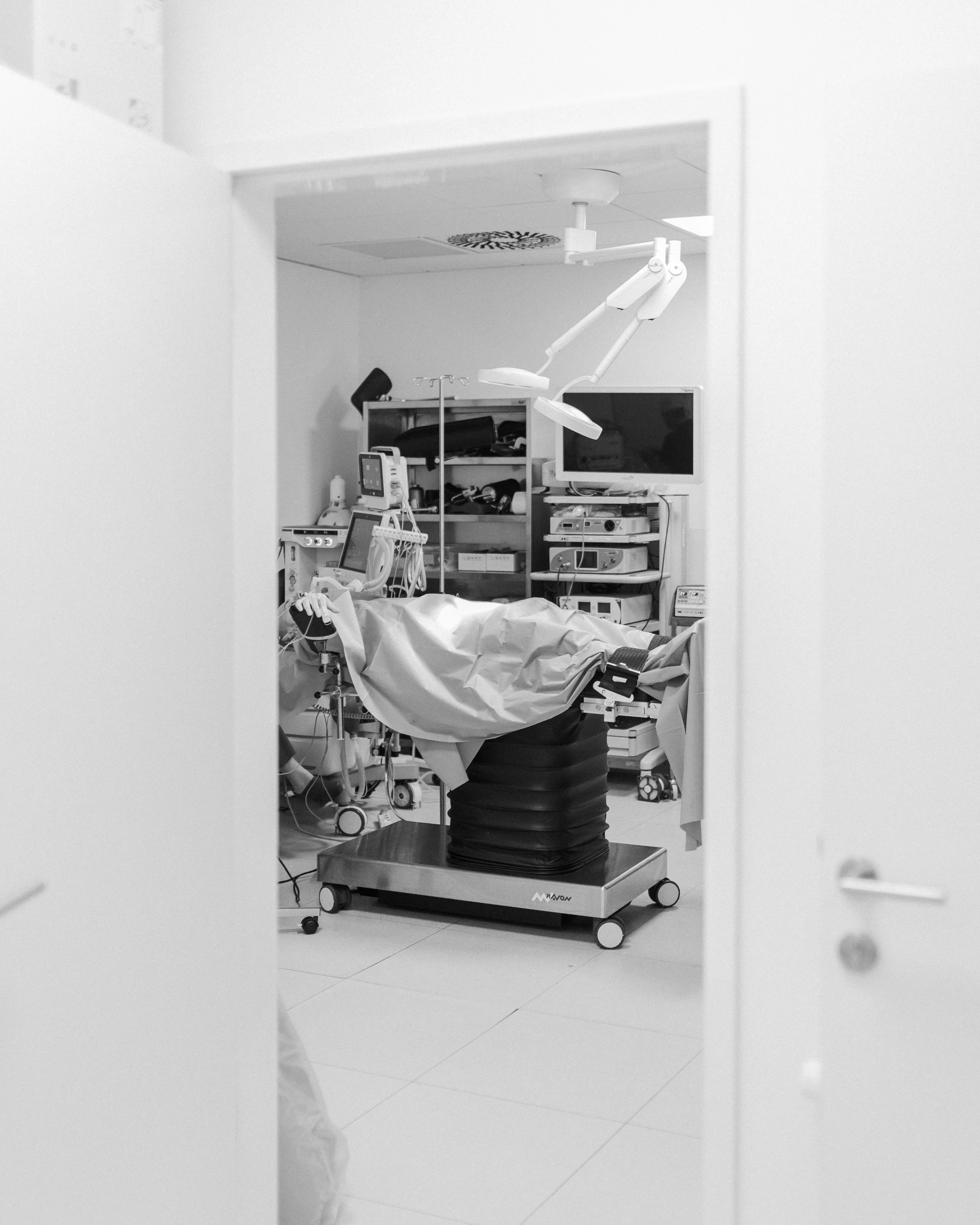
People often ask me whether surgery and photography have anything in common. At first glance, they seem to belong to completely different worlds. One takes place inside an operating theatre, surrounded by bright surgical lights, monitors and the responsibility that comes with every decision. The other happens on streets, in cafés, along coastlines and in places where life unfolds naturally without anyone paying much attention.
For me, however, they have always been deeply connected. Long before I owned a proper camera, I had already spent years looking through one.
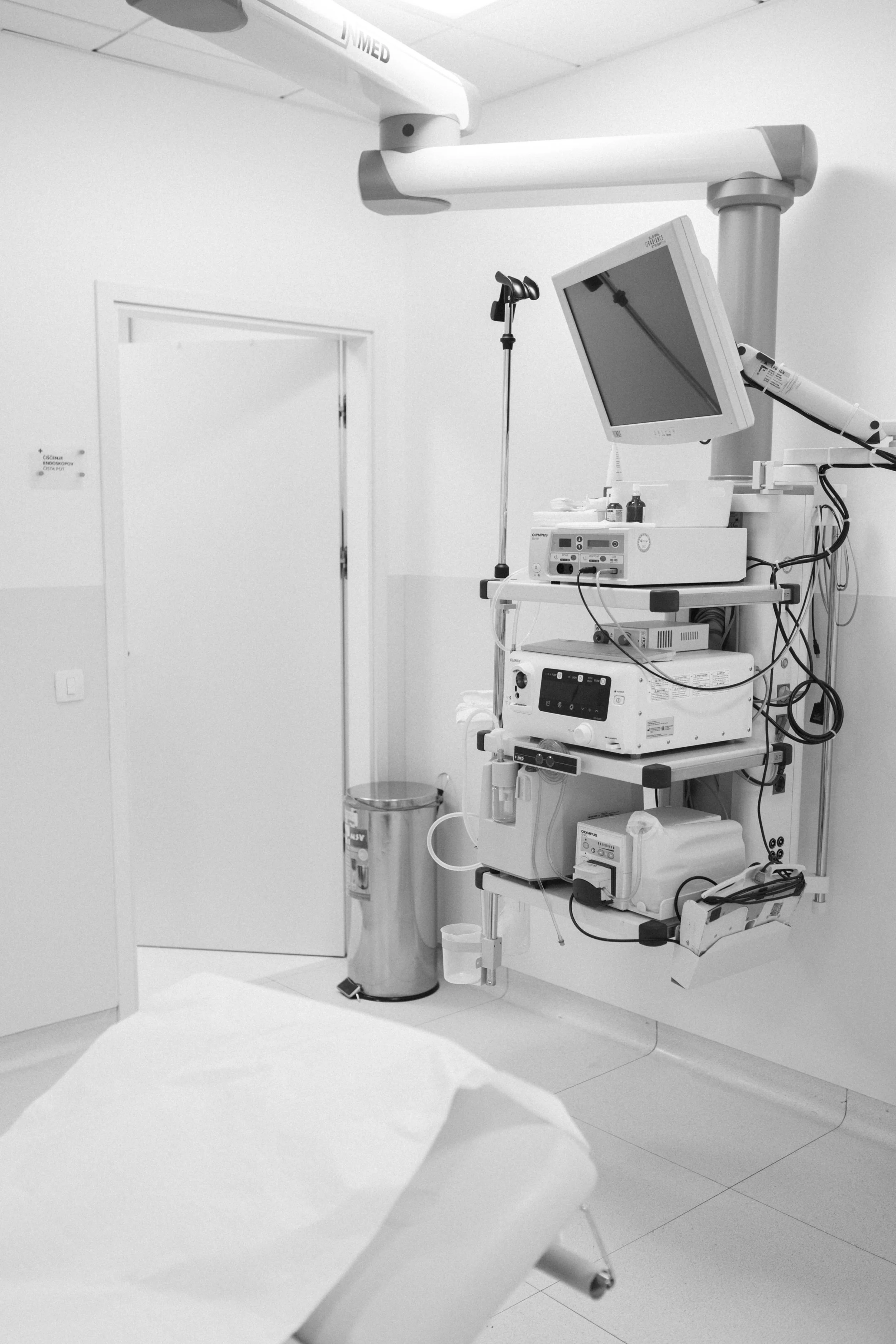
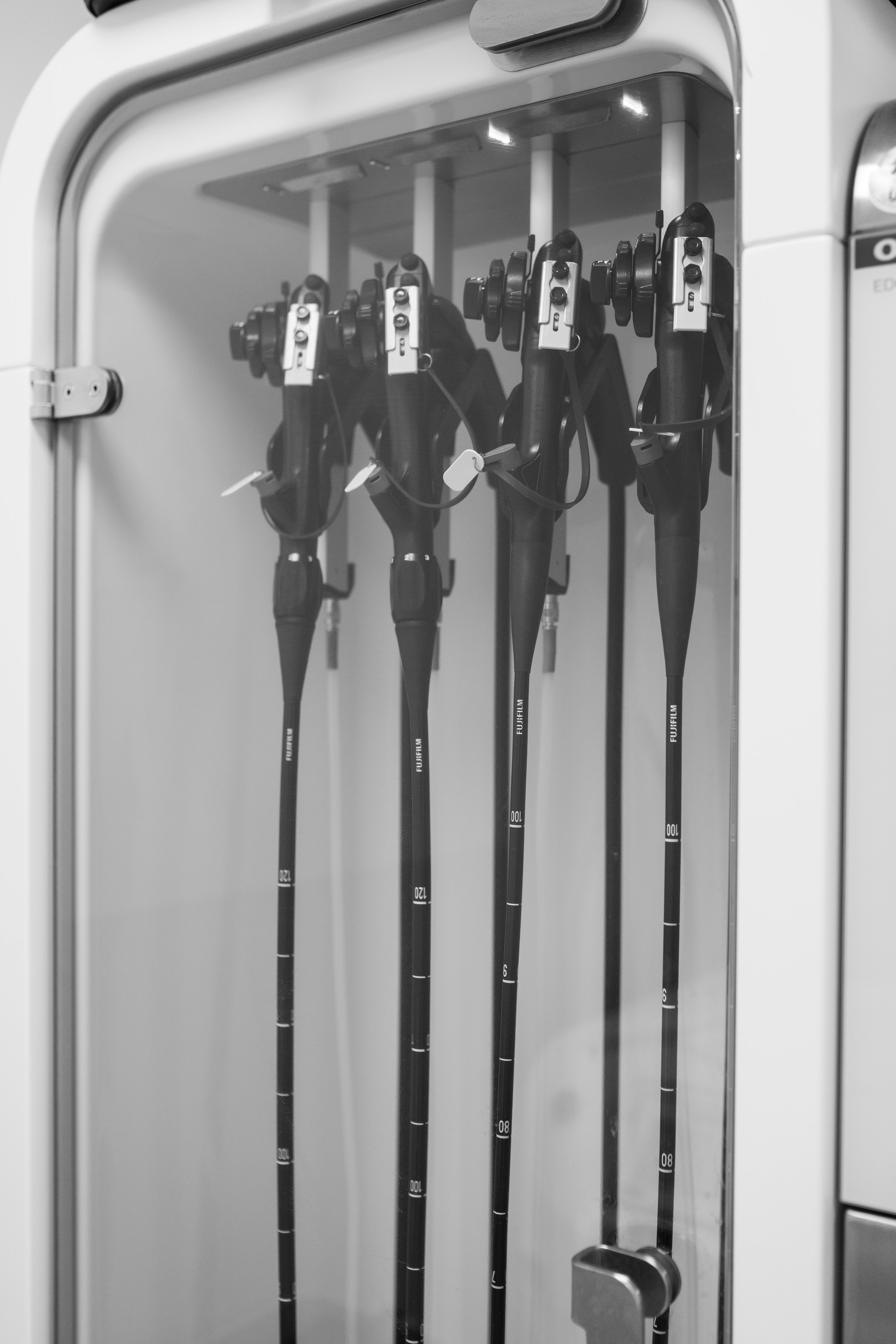
As a general surgeon, I work daily with endoscopic and laparoscopic cameras. During minimally invasive surgery, the entire operation depends on what you see on a monitor. You learn very quickly that observation is not passive. It is a skill that requires patience, concentration and experience. Tiny differences in colour, texture or movement can completely change your next decision. A few millimetres matter. Looking carefully matters even more.
Without realising it, surgery was teaching me how to see.
About twelve years ago, photography entered my life in a completely different way. Around that time I met my husband, Daniel, who had been passionate about photography and filmmaking for years. His enthusiasm was contagious. We started travelling together, carrying cameras instead of simply taking snapshots with our phones, and before long photography became something we shared.
It never felt like learning a new profession. It felt like discovering another way of looking at the world.
As our experience grew, we began photographing weddings, commercial campaigns and producing films for clients. Working professionally taught me discipline, consistency and storytelling. Every assignment came with its own challenges and every client expected something different. Those years shaped me as a visual storyteller and gave me the confidence to work under pressure outside the hospital as well.
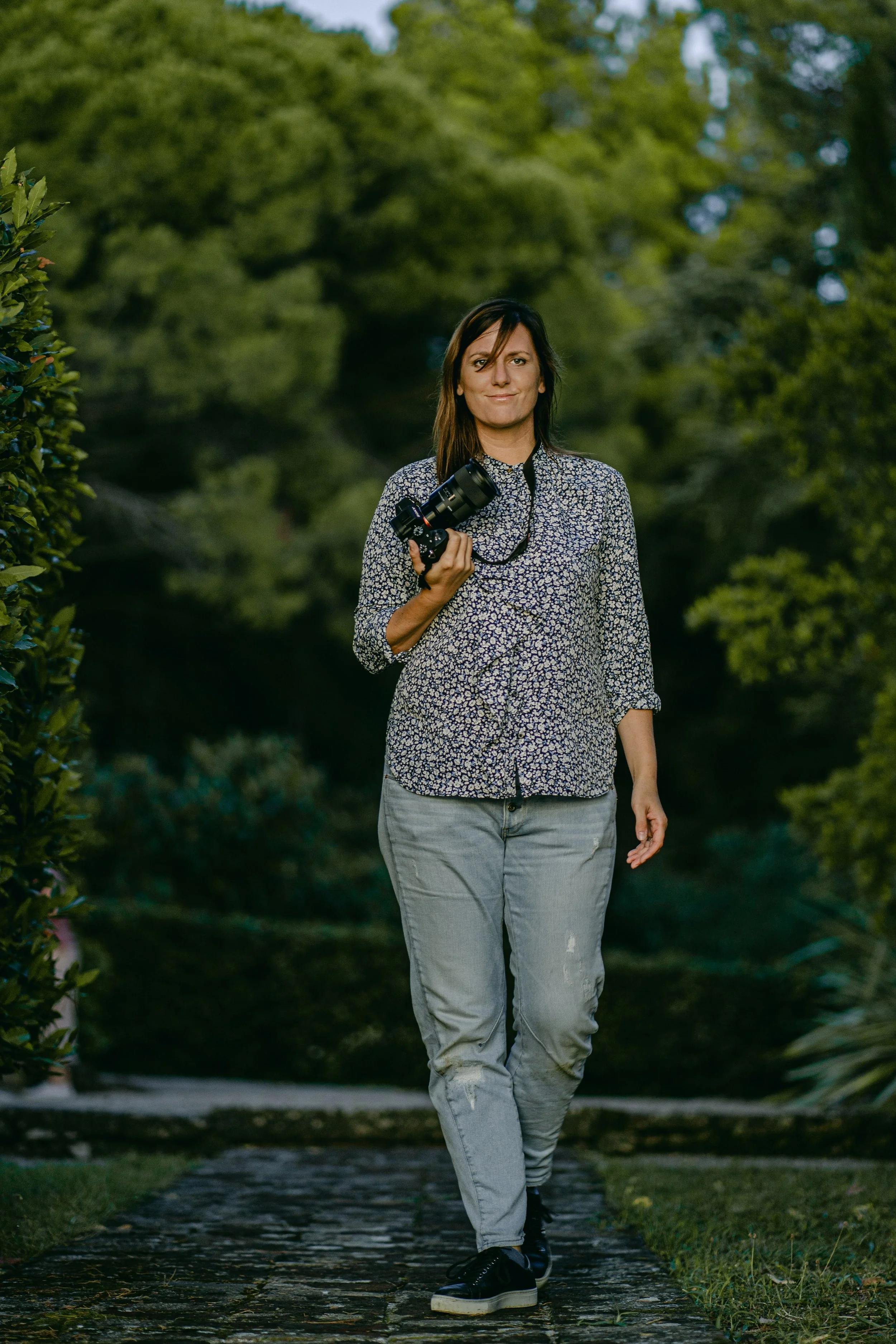
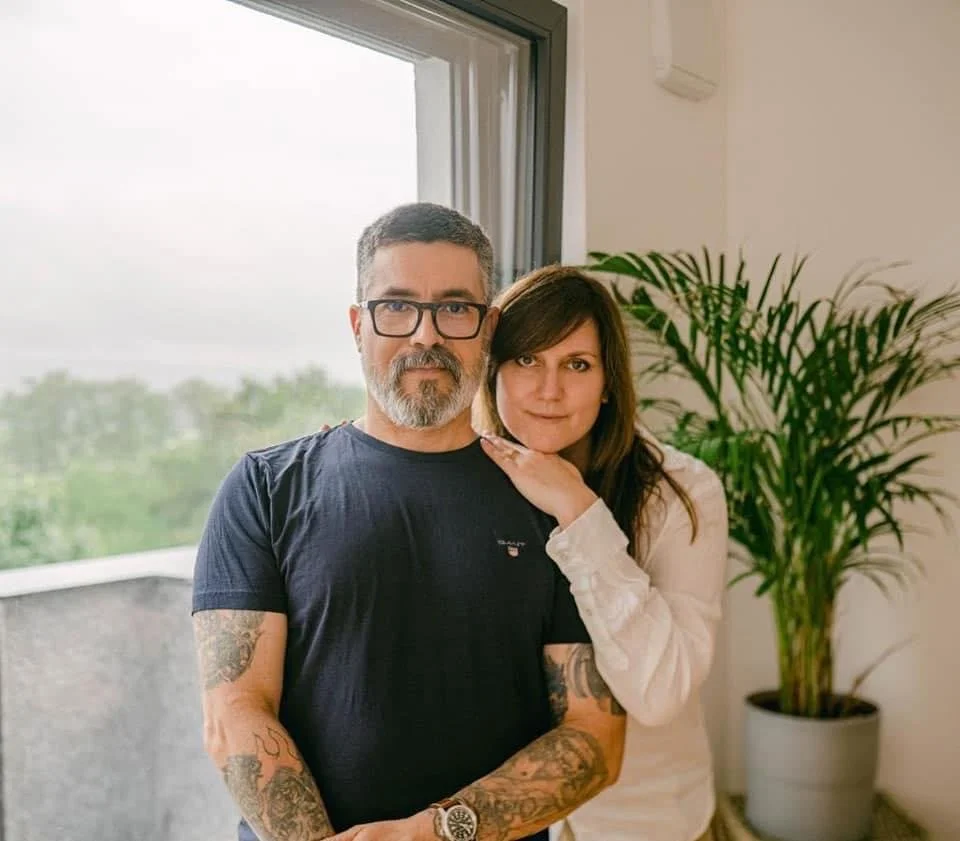
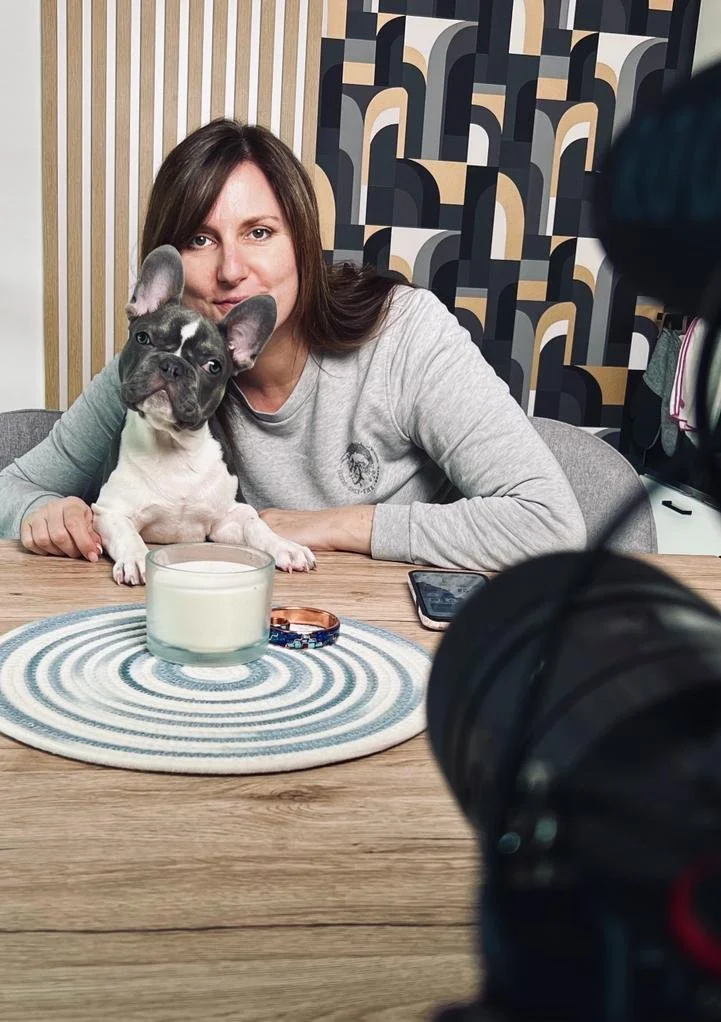
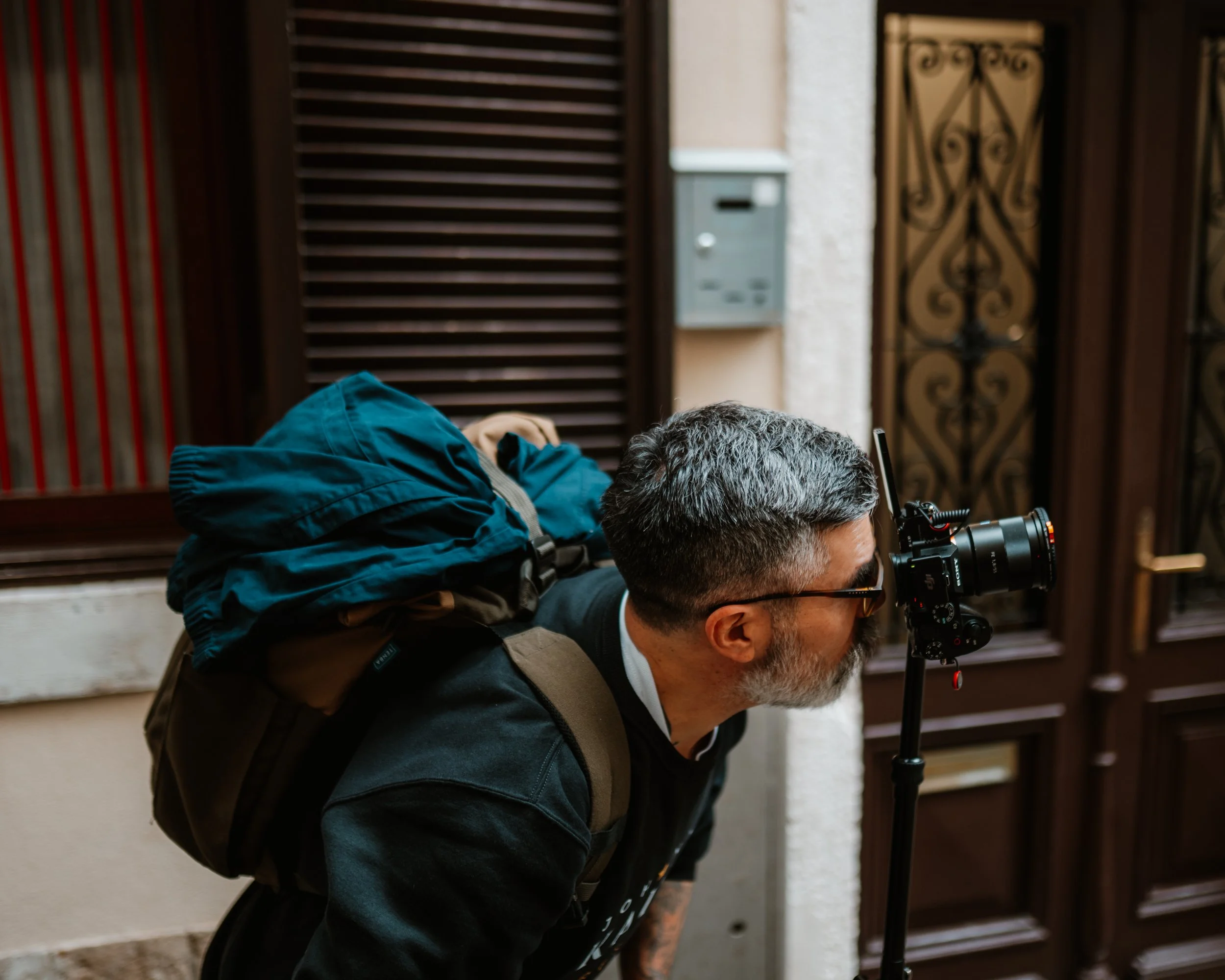
But something interesting happened. Whenever a commercial project ended, I always found myself returning to the same kind of photography.
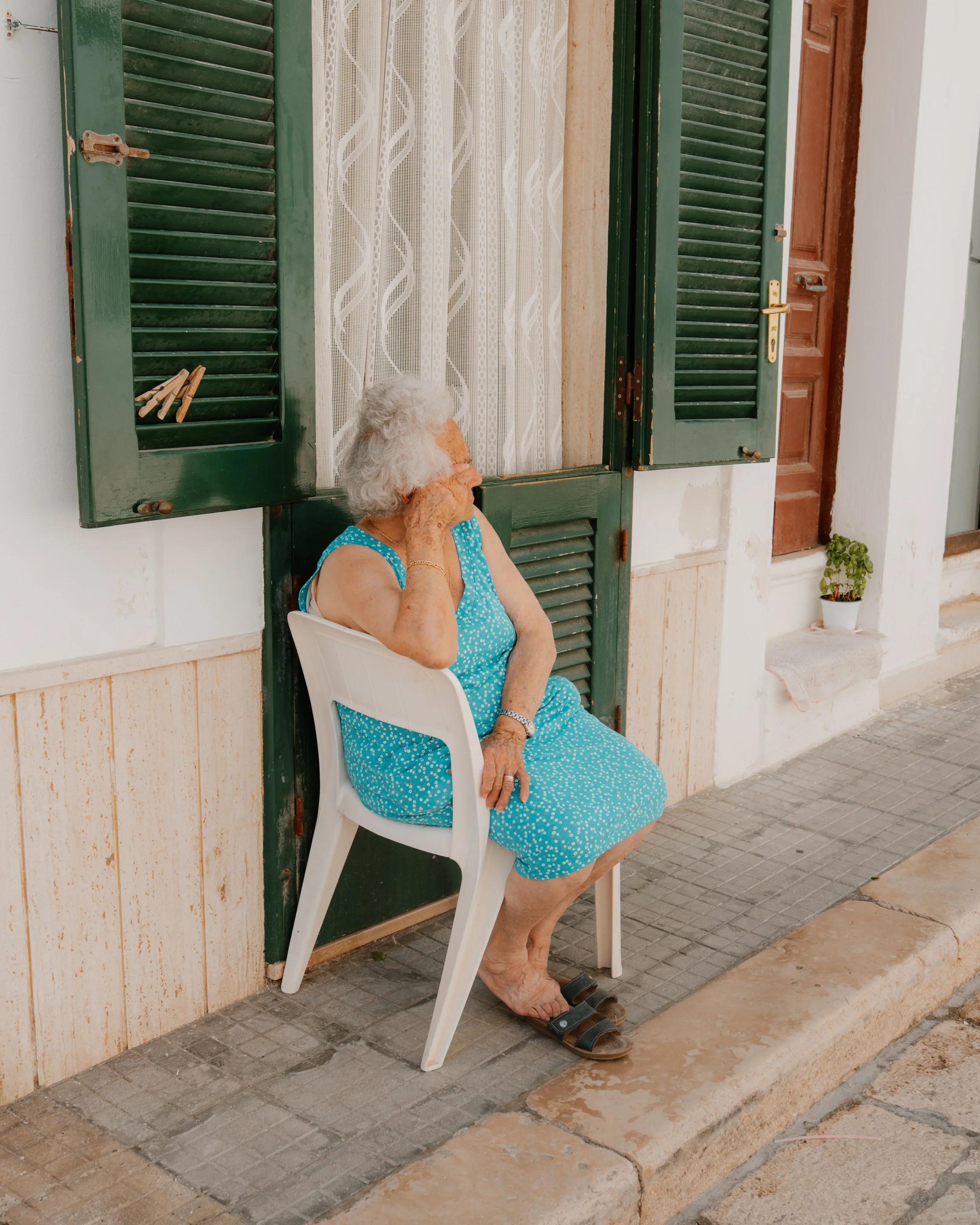
I would go for a walk without a destination, camera in hand, simply observing people. I became fascinated by everyday life and by the countless moments most of us walk past without noticing. Someone sitting alone with a coffee. Two strangers waiting for a bus without exchanging a single word. Children inventing games while their parents are distracted. Light reflecting from a shop window for only a few seconds before disappearing.
Those were the photographs I cared about most.
For a long time I was drawn almost entirely to street photography. I loved the unpredictability of cities and the challenge of anticipating moments before they happened. Street photography taught me patience, but it also taught me that the best photographs are rarely forced. If I have to interrupt someone or ask them to repeat a gesture, the authenticity is already gone.
With time my interests slowly shifted again.
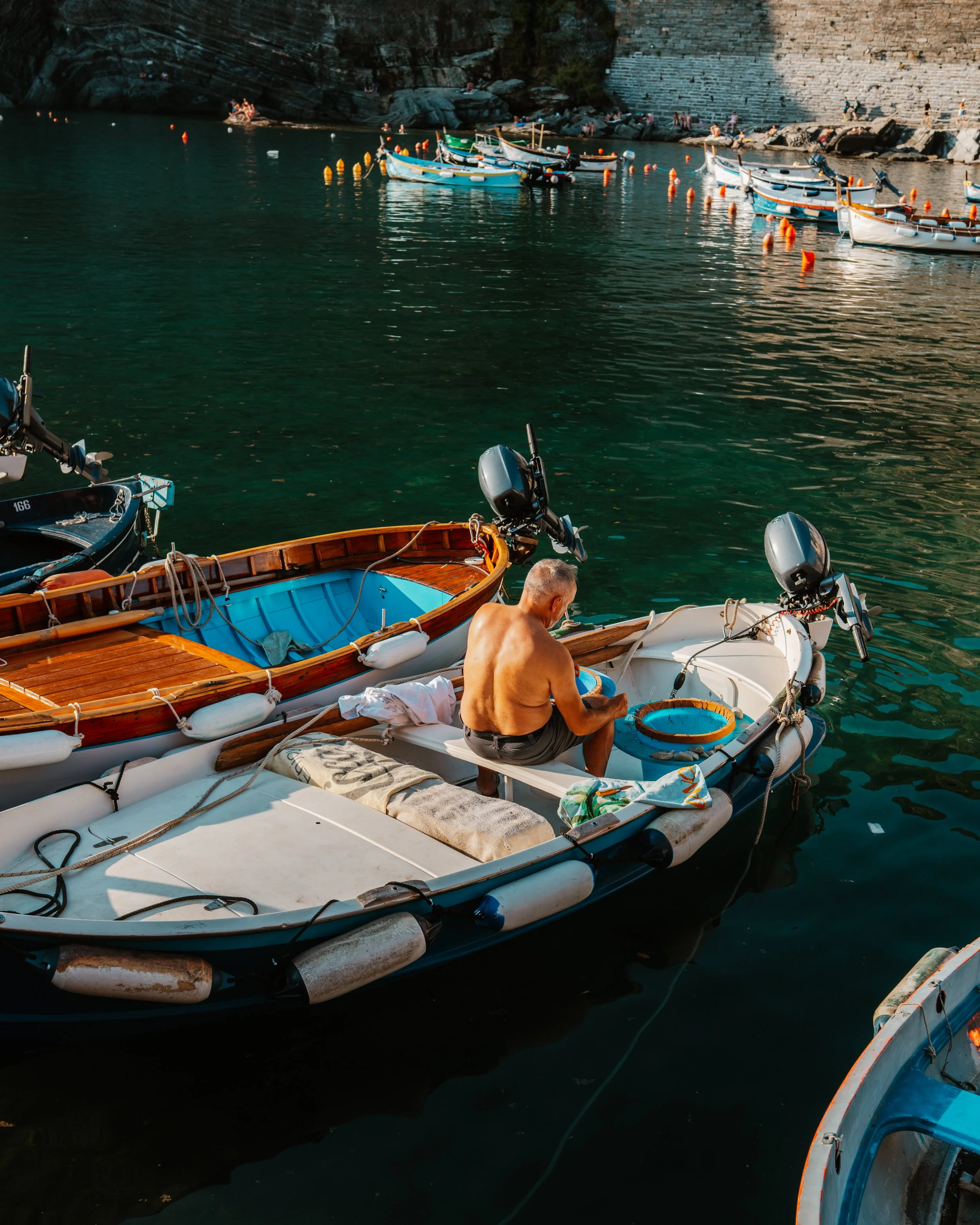
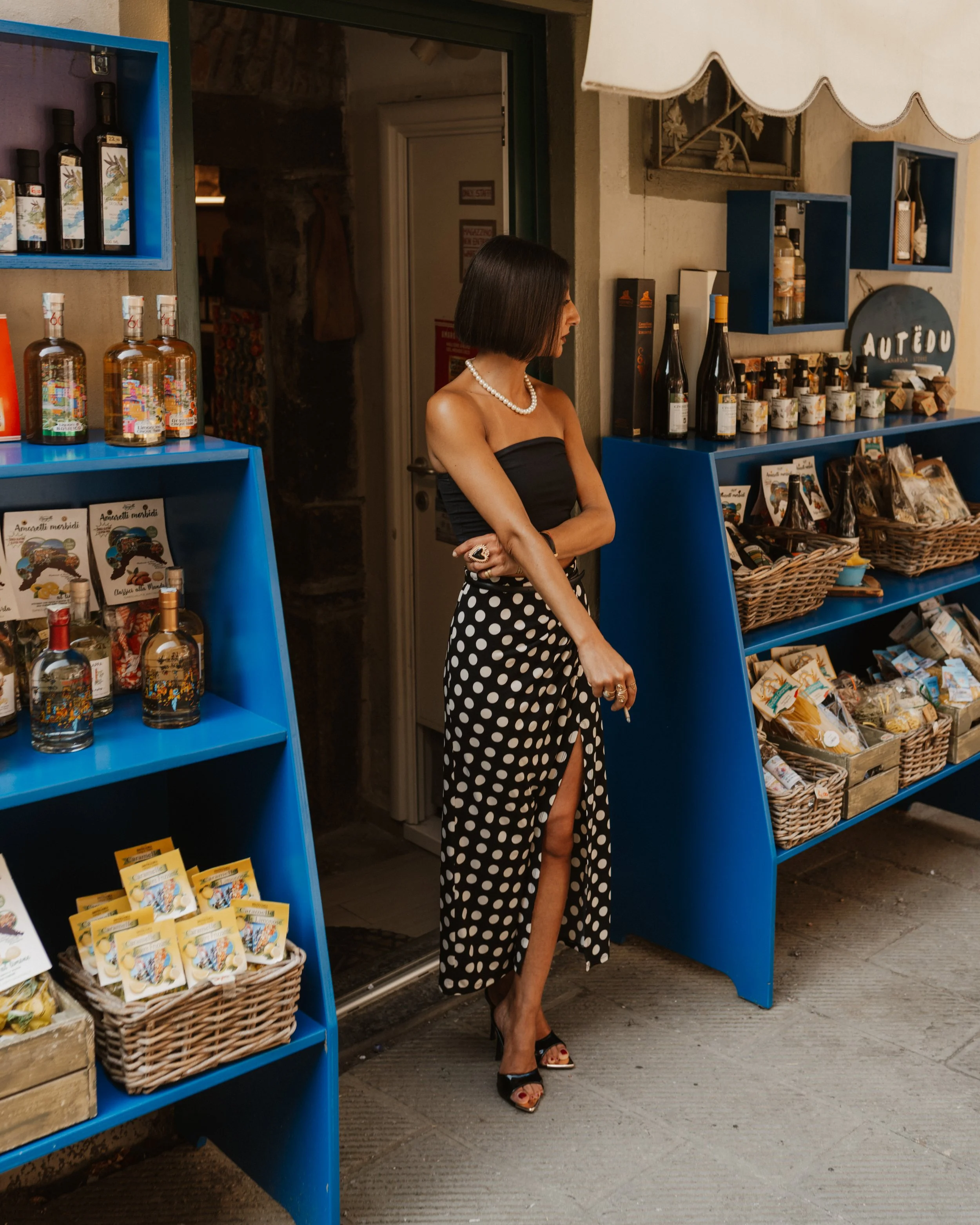
I realised I was becoming less interested in busy streets and more interested in how people interact with the places around them. Travel became a natural extension of documentary photography. Instead of chasing famous landmarks, I started paying attention to the quieter stories unfolding around them. A fisherman preparing his boat before sunrise. Families gathering around a table. Elderly couples sharing an evening walk. Children climbing rocks while the sea carried on exactly as it had for centuries.
The landscape became important, but never as important as the life happening within it.
The Mediterranean has always felt familiar to me. I've spent summers there since childhood and I've returned to many of the same places for decades. Watching those places change over time has become one of the most rewarding parts of my work. Some villages have grown into busy tourist destinations. Quiet beaches have become crowded. New cafés have replaced old ones. Yet despite all these changes, people continue to behave in remarkably similar ways. They still gather, talk, wait, laugh, watch the sea and enjoy simple moments together.
Those are the stories I want to preserve.
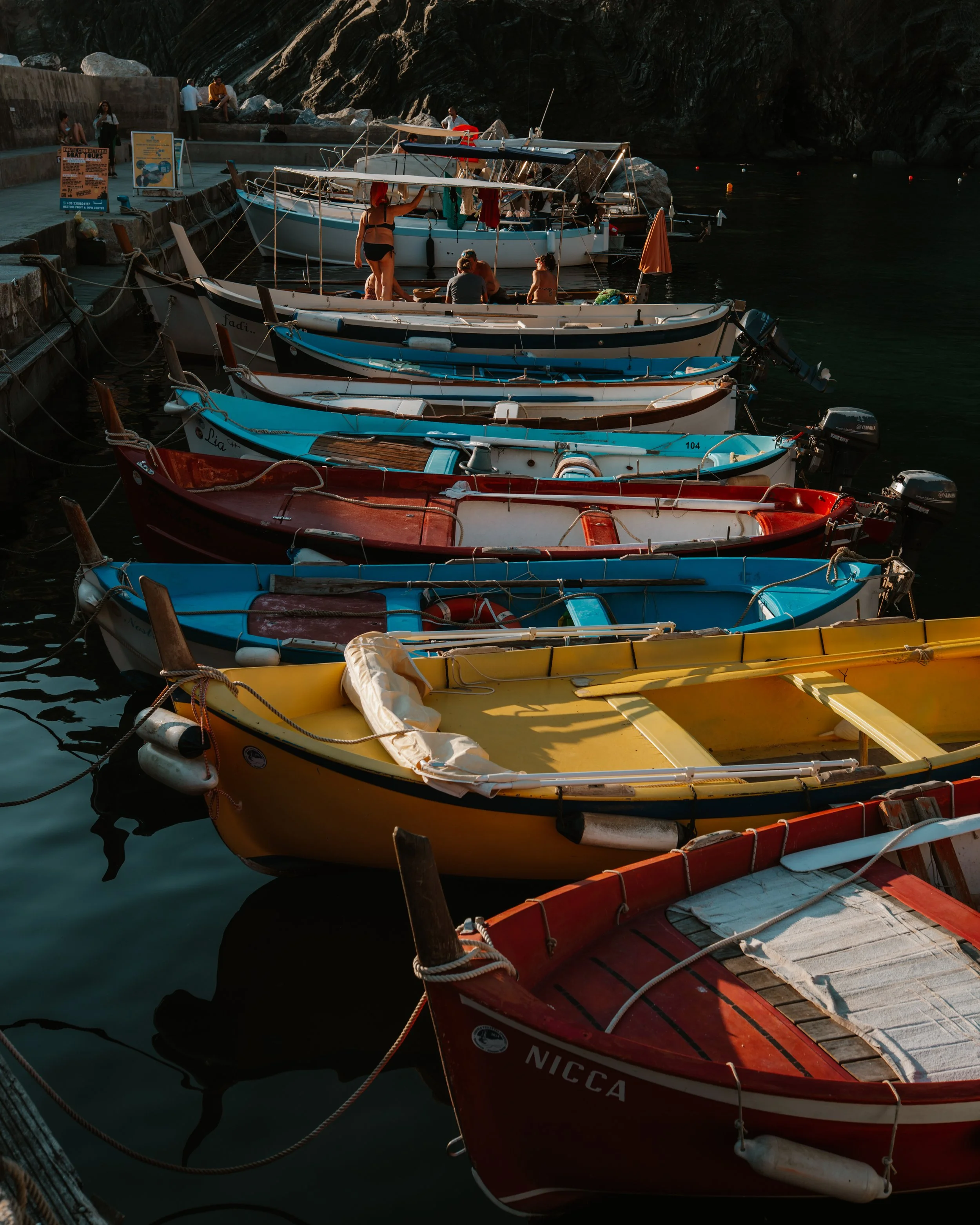
Photography has changed the way I travel. I walk more slowly than I used to. I stop without feeling the need to justify why. I often spend twenty minutes watching before I even think about raising my camera. Sometimes I leave without taking a single photograph. Other times everything comes together in a matter of seconds.
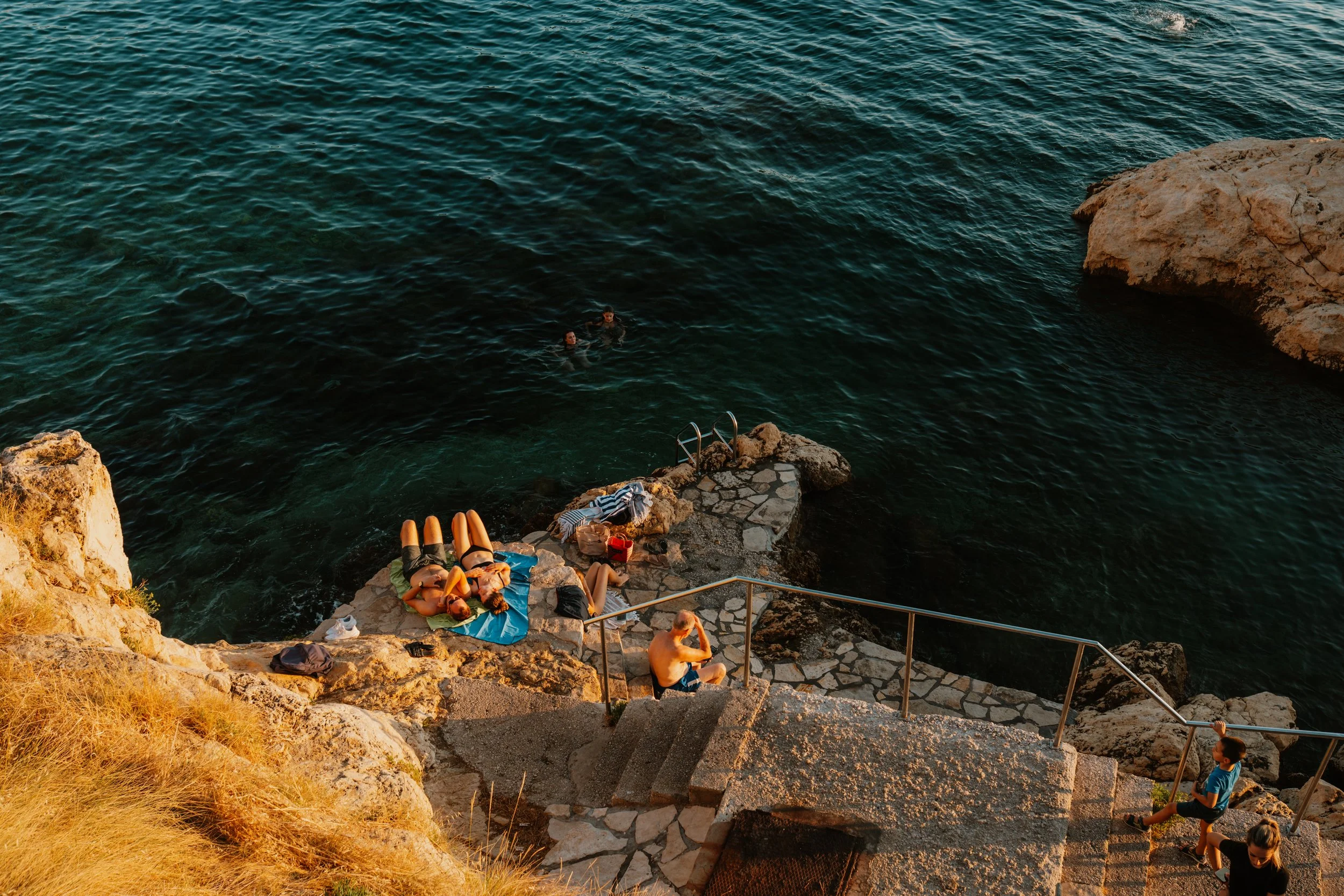
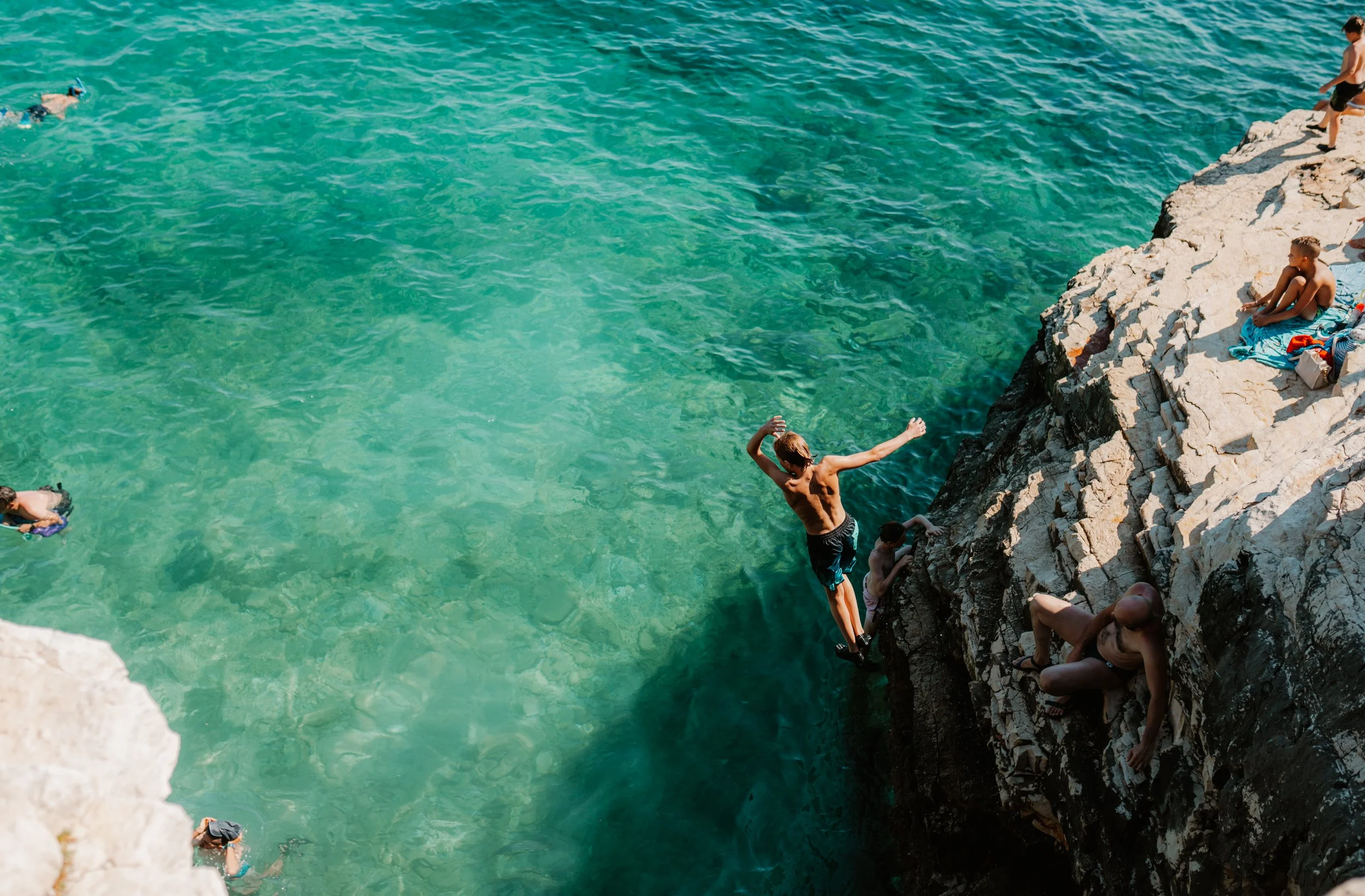
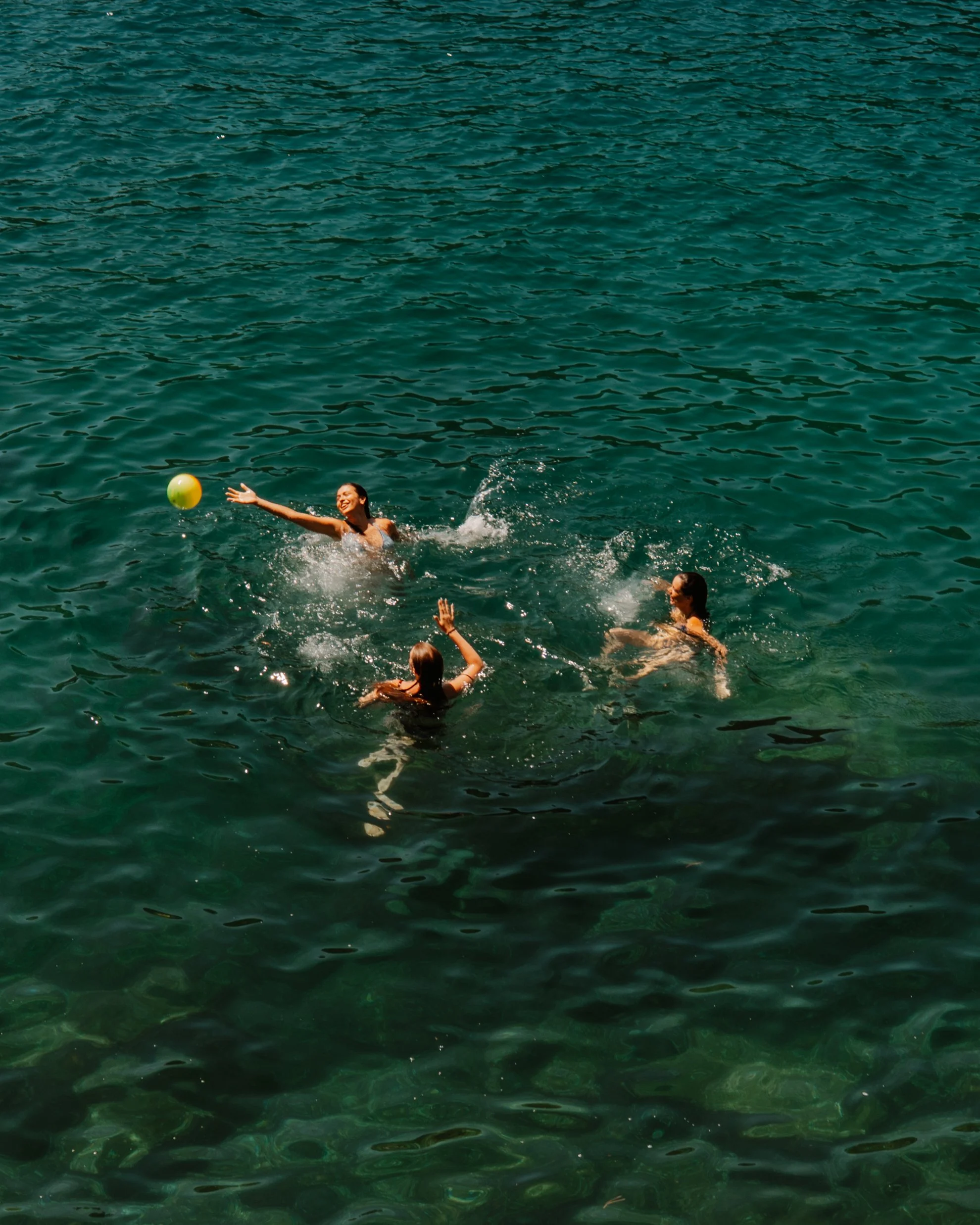
That rhythm feels strangely familiar.
Surgery taught me that rushing usually leads to mistakes. Photography has taught me exactly the same lesson. Observation almost always comes before action.
People often ask me what camera I use. The truth is that I rarely think about equipment anymore. Cameras are tools. They don't notice moments for us. Curiosity does. Patience does. Experience does.
Looking back, I don't think photography changed who I am.
It simply revealed a part of me that had always been there.
Surgery trained my eyes to notice details that others might miss. Photography allowed me to use those same eyes to look at the world in a completely different way. Instead of searching for disease, I began searching for ordinary life. Instead of documenting pathology, I began documenting memories before they quietly disappeared.
That is still the way I work today.
I don't photograph places because they are famous. I photograph them because people leave small pieces of themselves there every single day. And perhaps that is the greatest lesson surgery has given me—not technical precision or steady hands, but the understanding that every detail matters because every human story matters.
-Maruša-
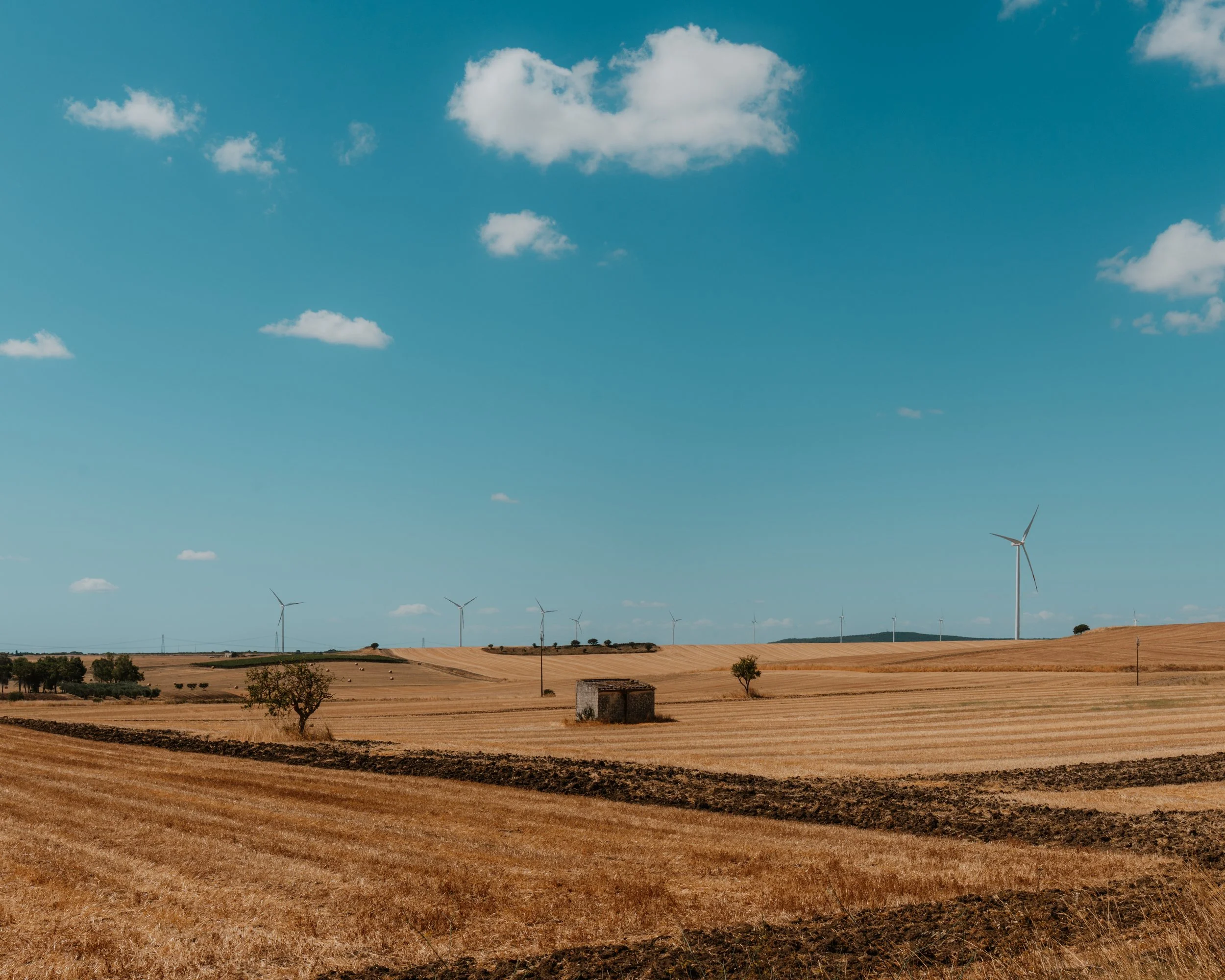
Puglia fields, 2025.
