Seeing Puglia Through a Camera
The first thing I noticed about Puglia wasn't a town or a beach. It was how quickly everything changed.
Within a relatively short drive, the landscape seemed to reinvent itself. Whitewashed towns stood above endless olive groves, small fishing ports opened directly onto the Adriatic, dramatic limestone cliffs gave way to long sandy beaches, and quiet country roads connected villages that each seemed to move at their own pace. Every place had its own character, its own architecture and its own rhythm of daily life.
That variety fascinated me long before I started taking photographs. People often think travel photography begins with finding beautiful locations. For me, it usually begins much earlier. Before lifting my camera, I spend time trying to understand how a place works. I watch where people stop for coffee, how quickly streets fill after breakfast, where children play while adults continue conversations that have probably been happening for years.
Only then do I begin making photographs.
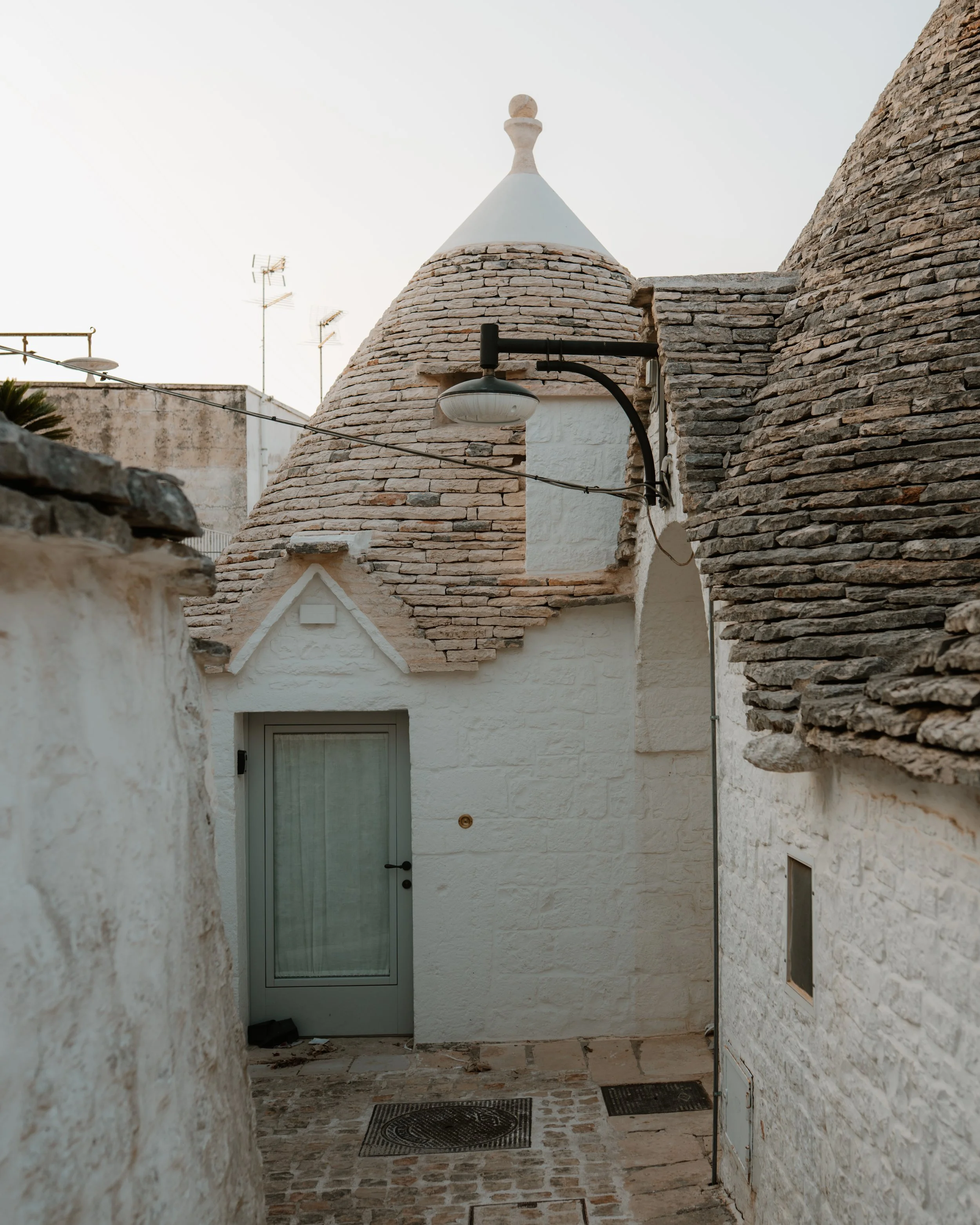
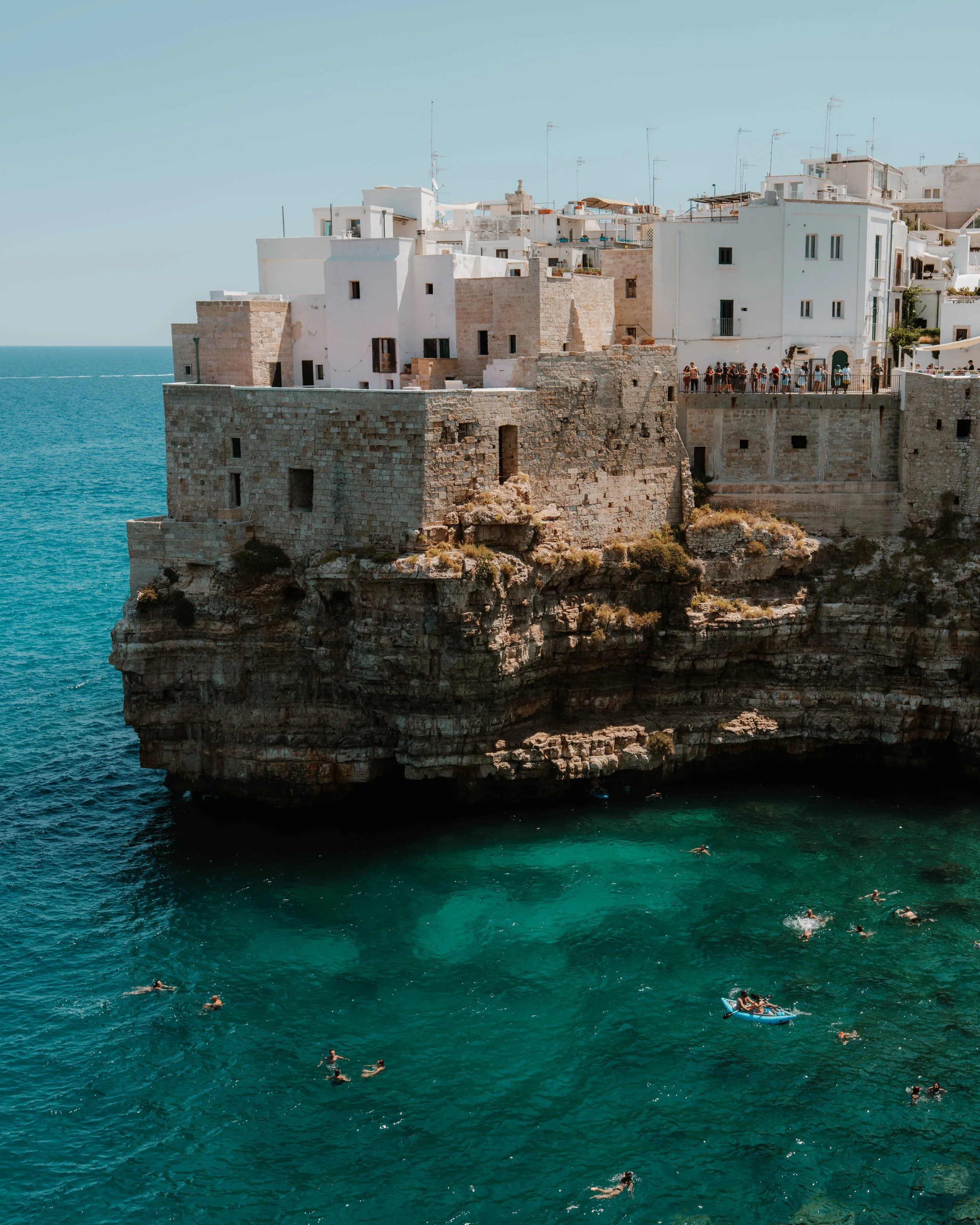
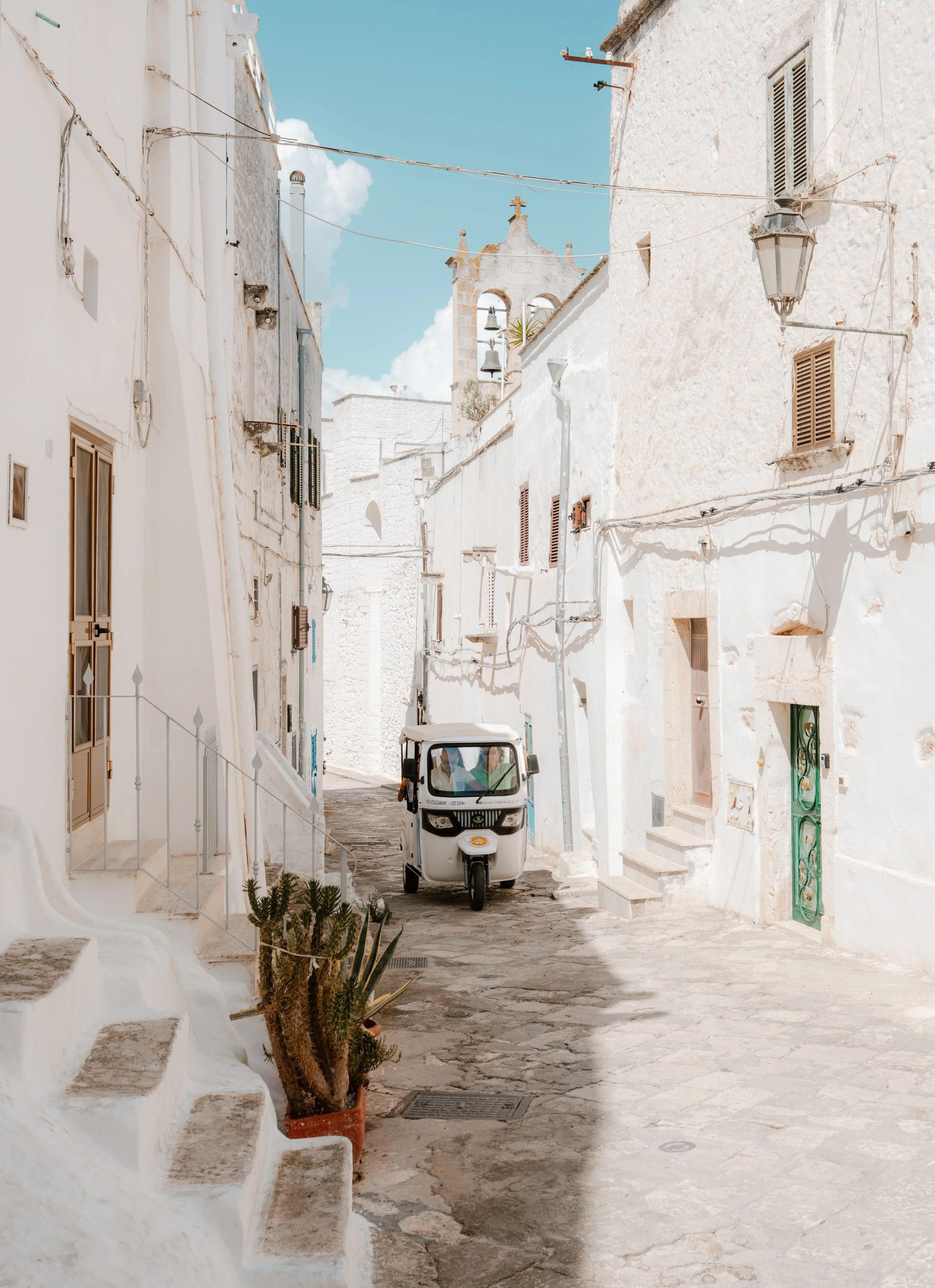
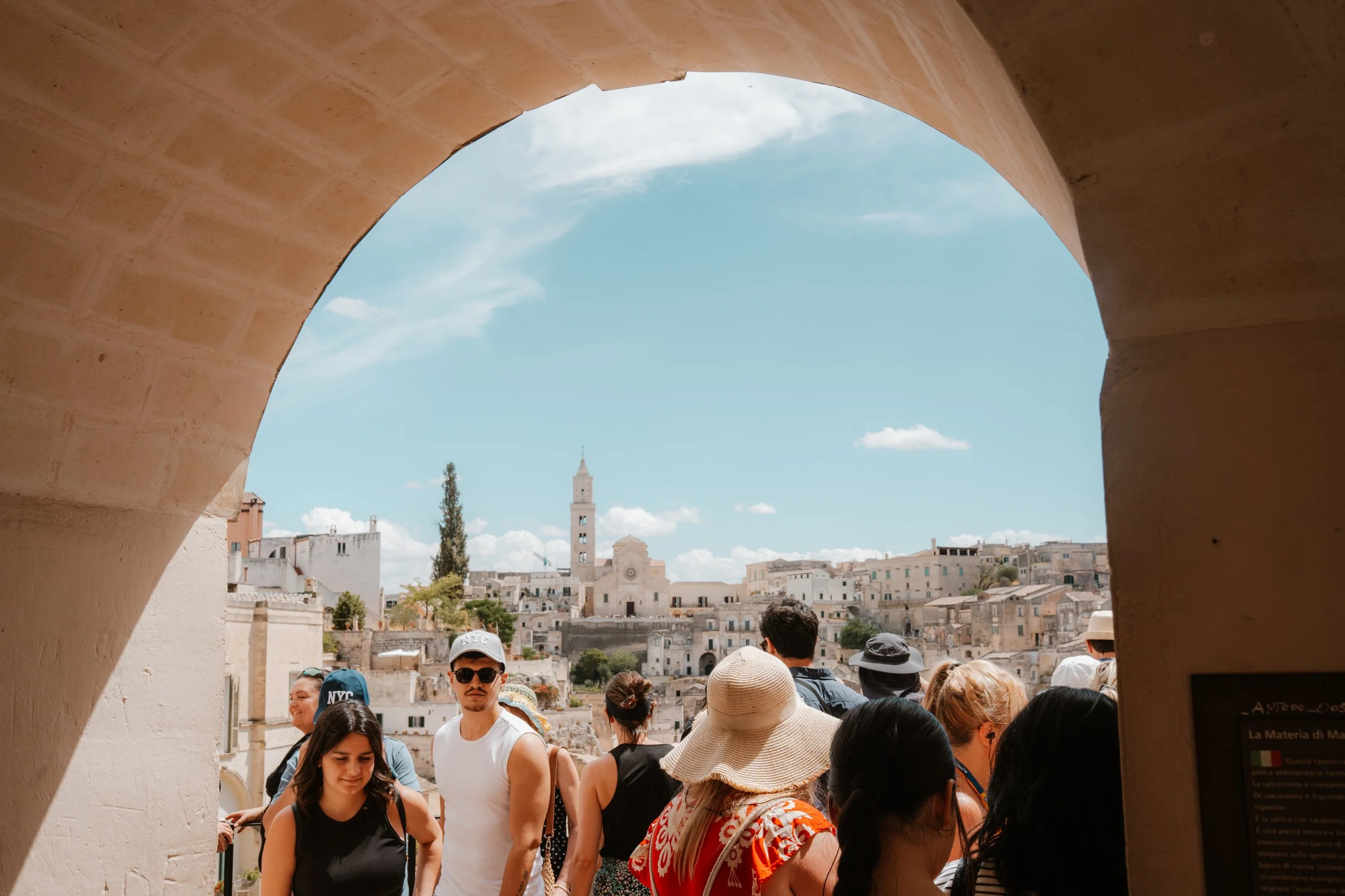
Photography has changed the way I travel. I no longer arrive somewhere with a long list of landmarks I want to visit or photographs I feel I should take. Most famous places have already been photographed thousands of times. Trying to recreate those images has never been particularly interesting to me.
Instead, I look for what happens around them. A fisherman repairing his boat while visitors photograph the harbour behind him. Someone watering plants outside a whitewashed house before the streets become busy. Children climbing rocks while parents quietly watch from the shade. Laundry moving gently between stone buildings that have stood there for centuries.
Those moments rarely appear in travel guides. They are also the photographs I remember most.
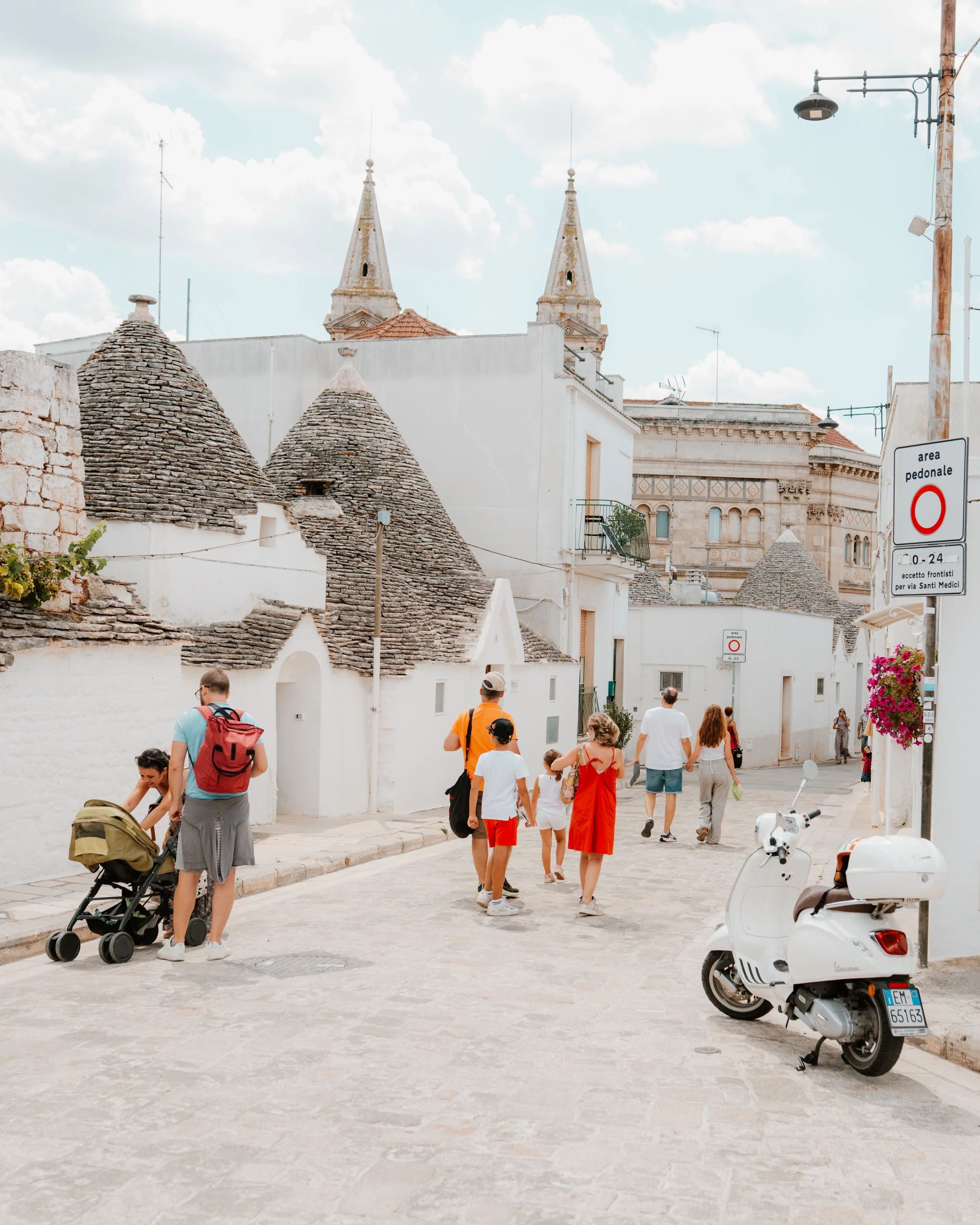
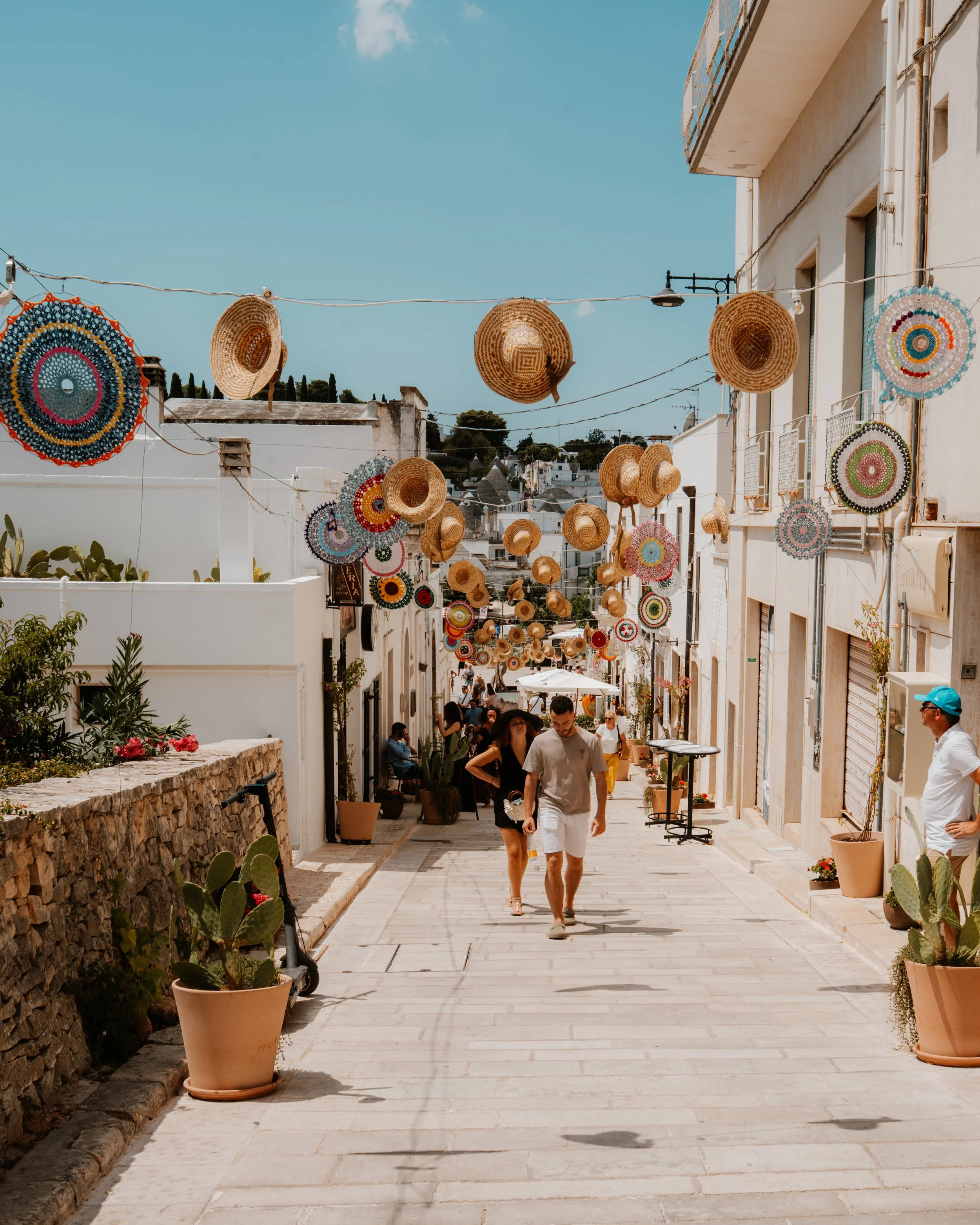
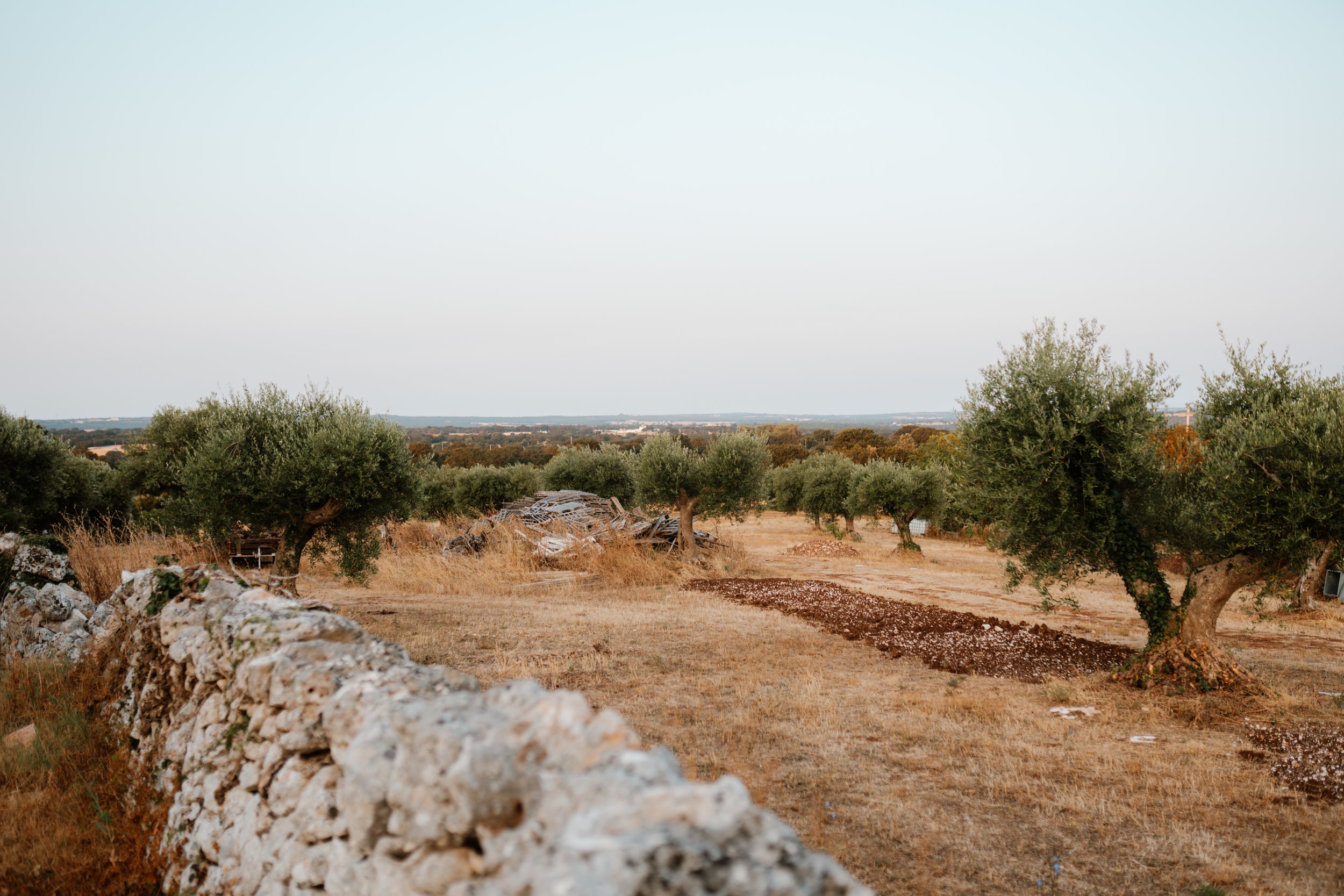
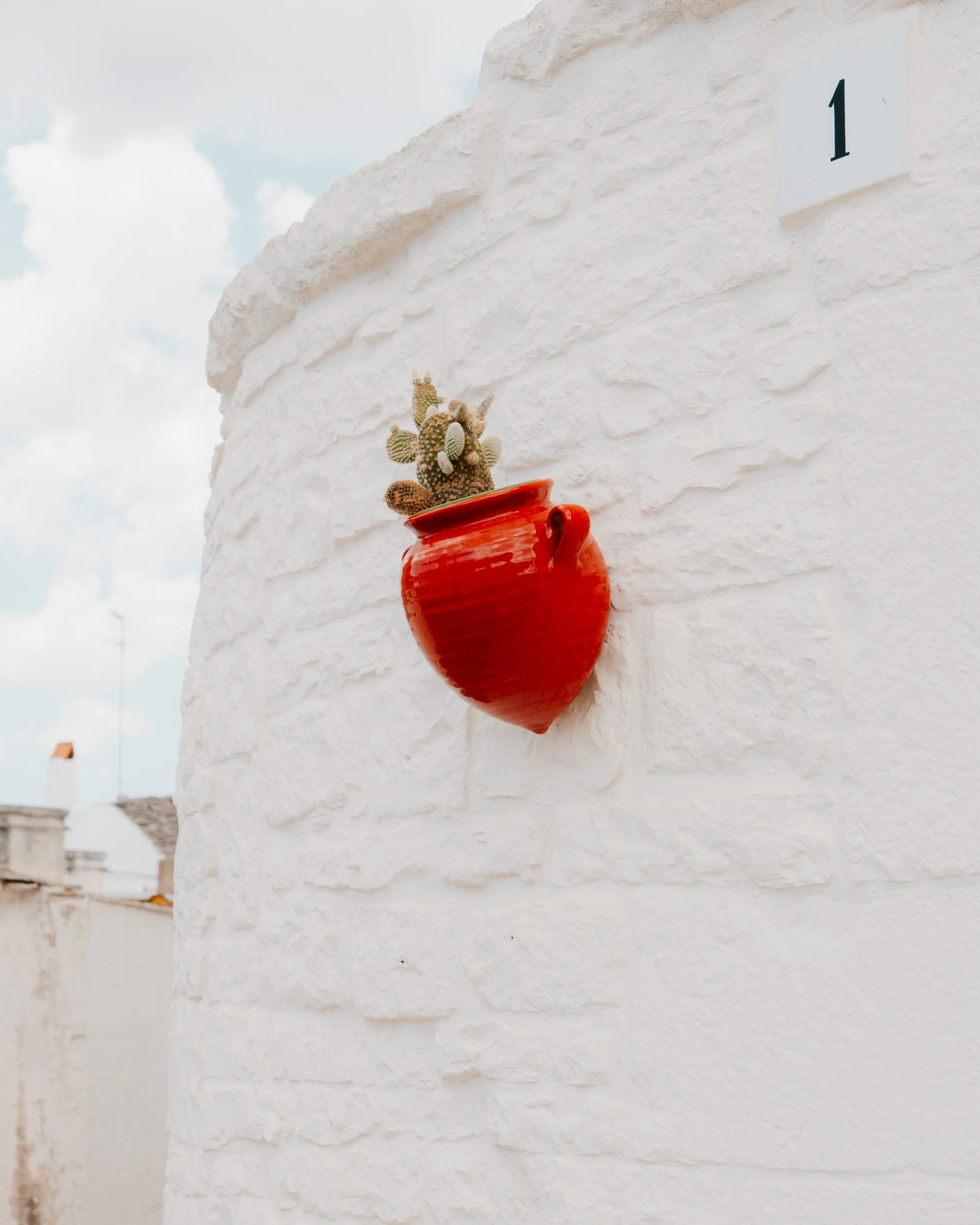
What surprised me most about Puglia was not how beautiful it was. Italy is full of beautiful places. It was how different each town felt despite being so close together. Walking through the narrow streets of Ostuni never felt the same as spending the evening in Monopoli. Polignano a Mare had a completely different rhythm again, while smaller villages hidden among olive groves offered a quieter pace that encouraged me to leave my camera at my side and simply observe.
Every place asked for a different way of looking. That is probably why I enjoyed photographing Puglia so much.
As a documentary photographer, I don't believe a place can be understood by photographing only its landmarks. They explain where you are, but they rarely explain how people live there. The real character of a place is usually found somewhere between the obvious attractions. In small conversations. Morning routines. Fishing boats pulled onto the shore. Fig trees growing through old stone walls. Empty chairs waiting for the evening.
Those details slowly become the story.
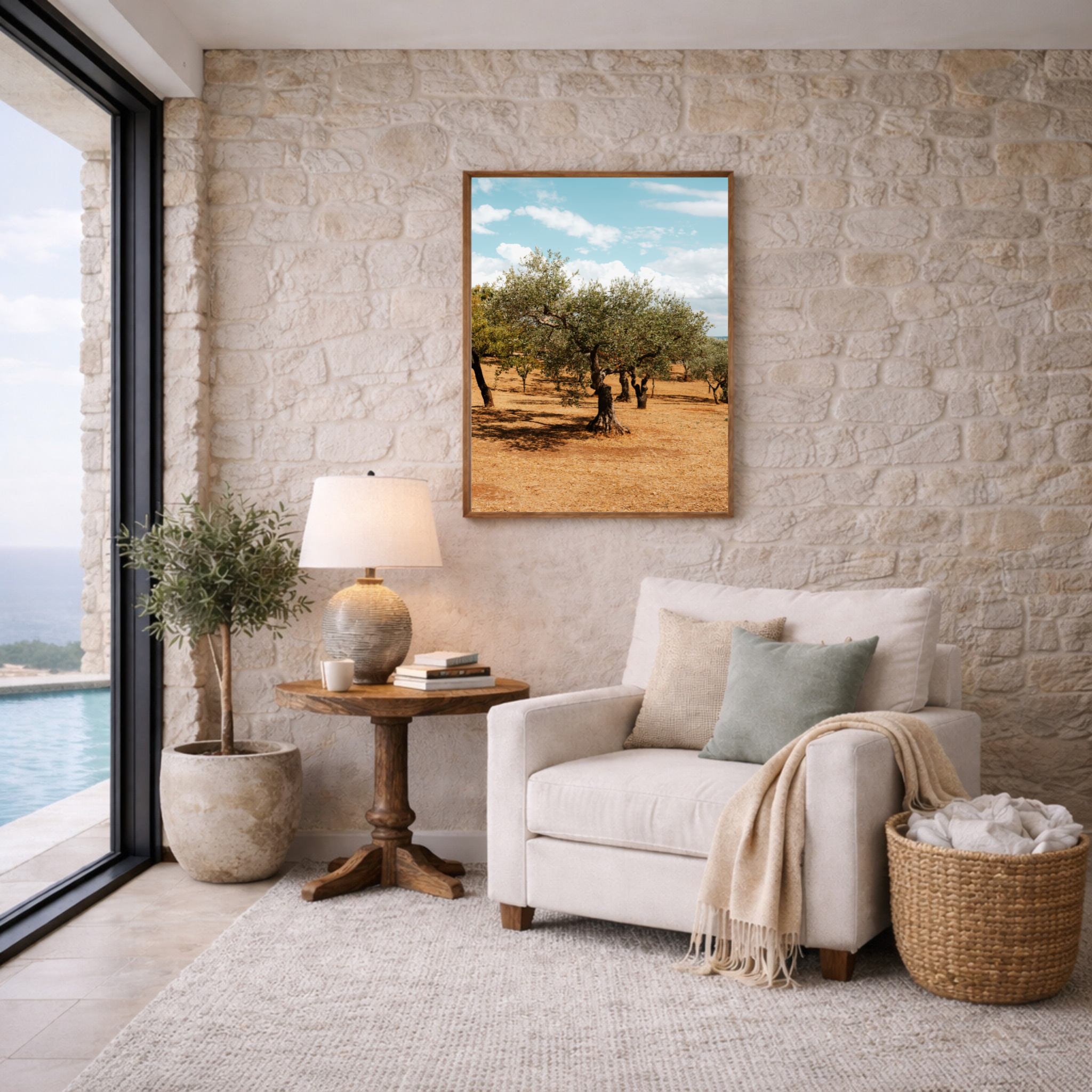
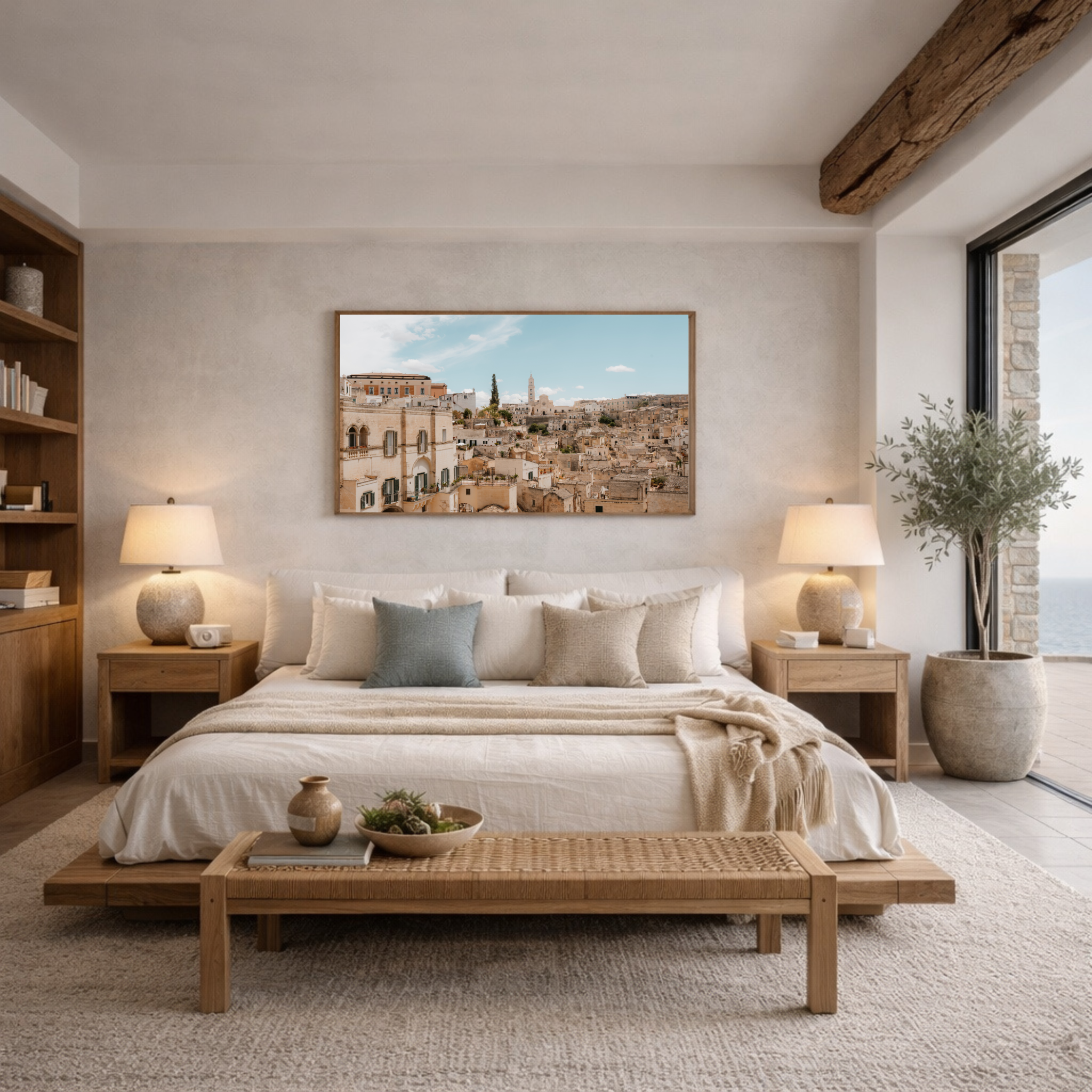
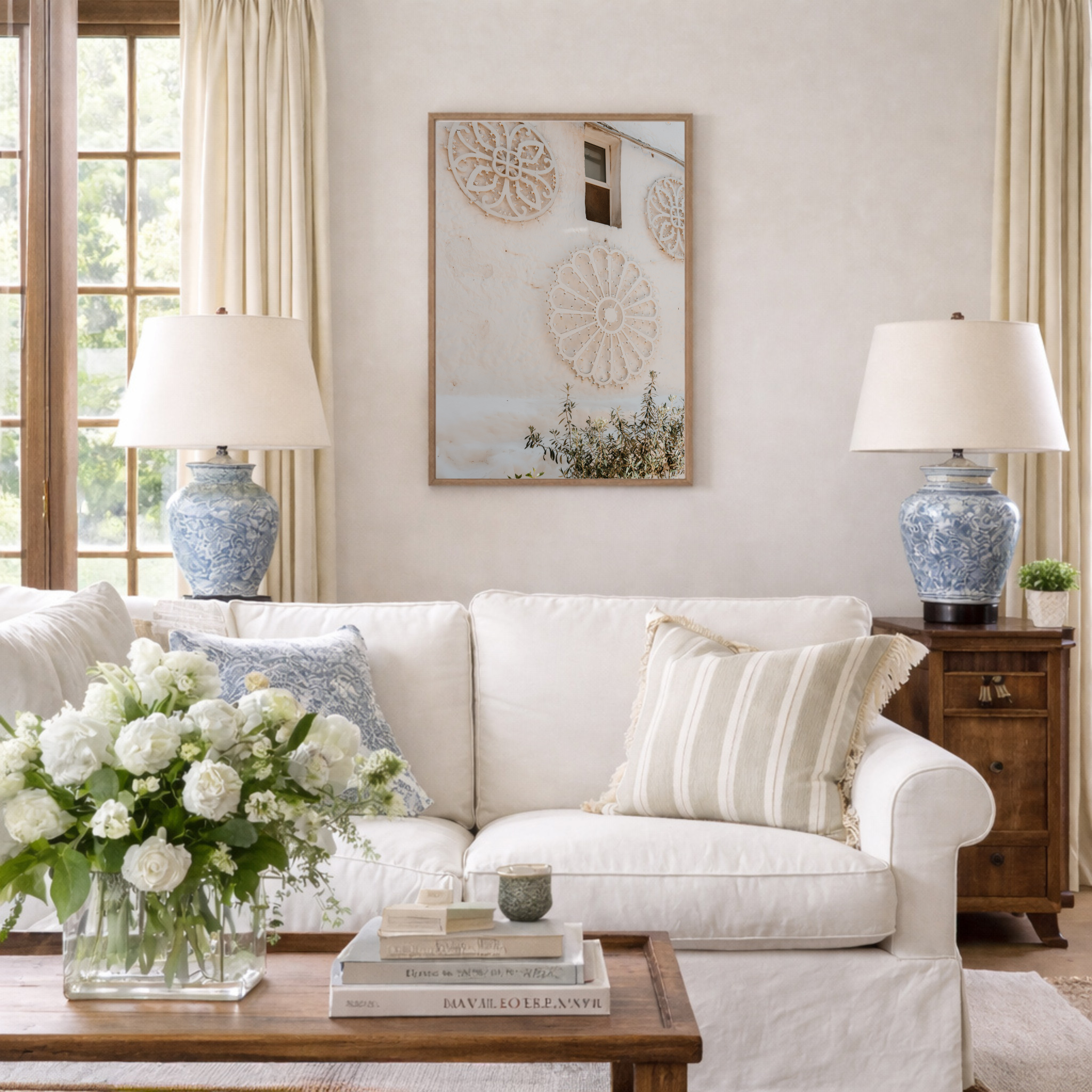
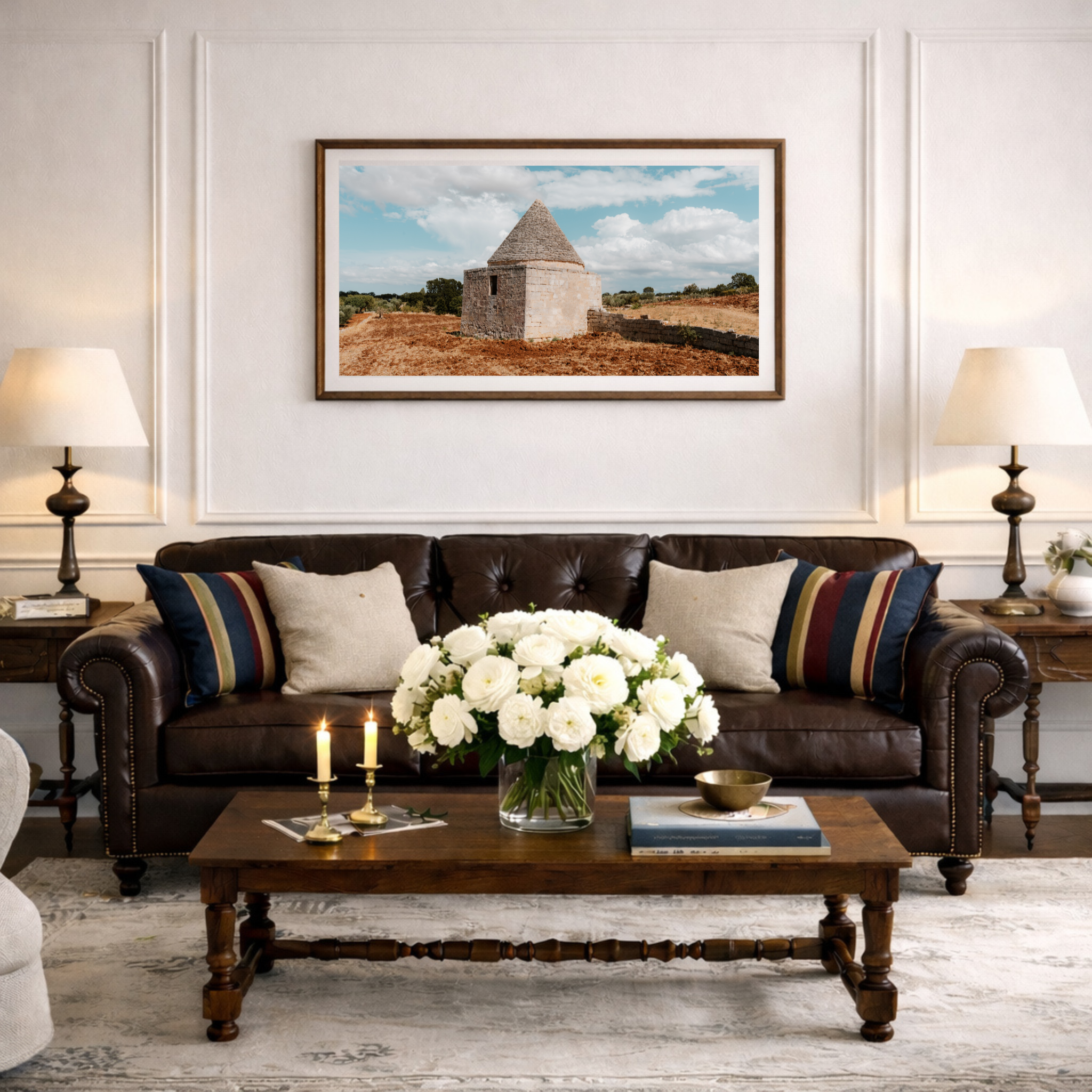
I often spend much longer watching than photographing. Sometimes twenty or thirty minutes pass before I even raise my camera. It isn't because nothing is happening. Quite the opposite. Observation takes time. Once people stop noticing you, everyday life begins to unfold naturally. That is usually when the photographs I have been waiting for quietly appear.
Looking back through my photographs from Puglia, I notice that very few of them are actually about buildings or landscapes. They are about people. About routines. About ordinary moments that happen every day whether anyone photographs them or not.
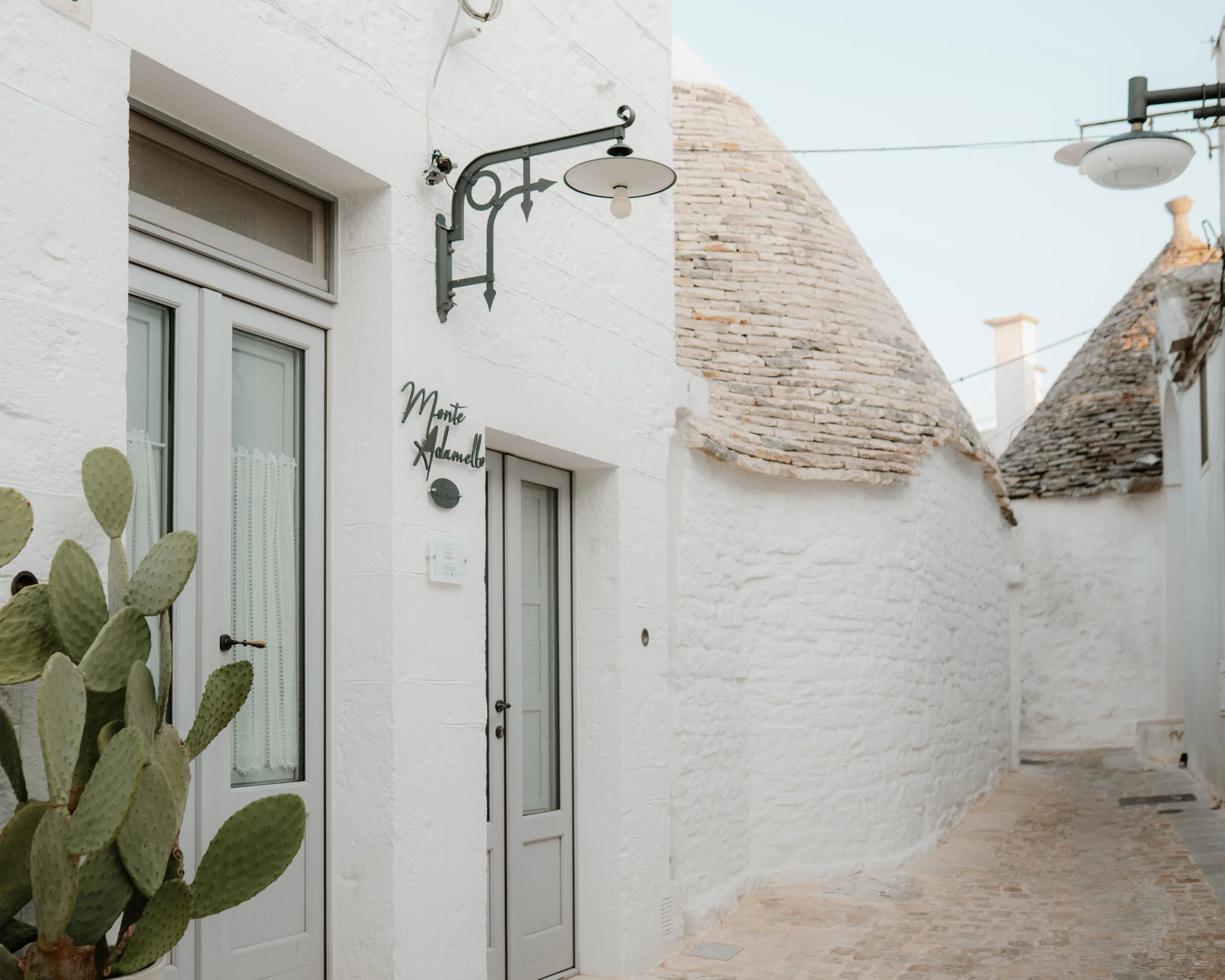
Part of a Author’s Selection limited-edition series documenting quiet architectural spaces in southern Italy.
Perhaps that is what I enjoy most about documentary photography. The camera simply gives me a reason to pay closer attention.
Puglia reminded me that every place has its own rhythm. Some reveal it immediately. Others ask you to slow down before they are willing to show it. The photographs I brought home were never the ones I imagined before arriving. They were the ones I found only after spending enough time watching.
That is why I always travel with a camera.
-Maruša-
