Where the Sea Becomes Ordinary
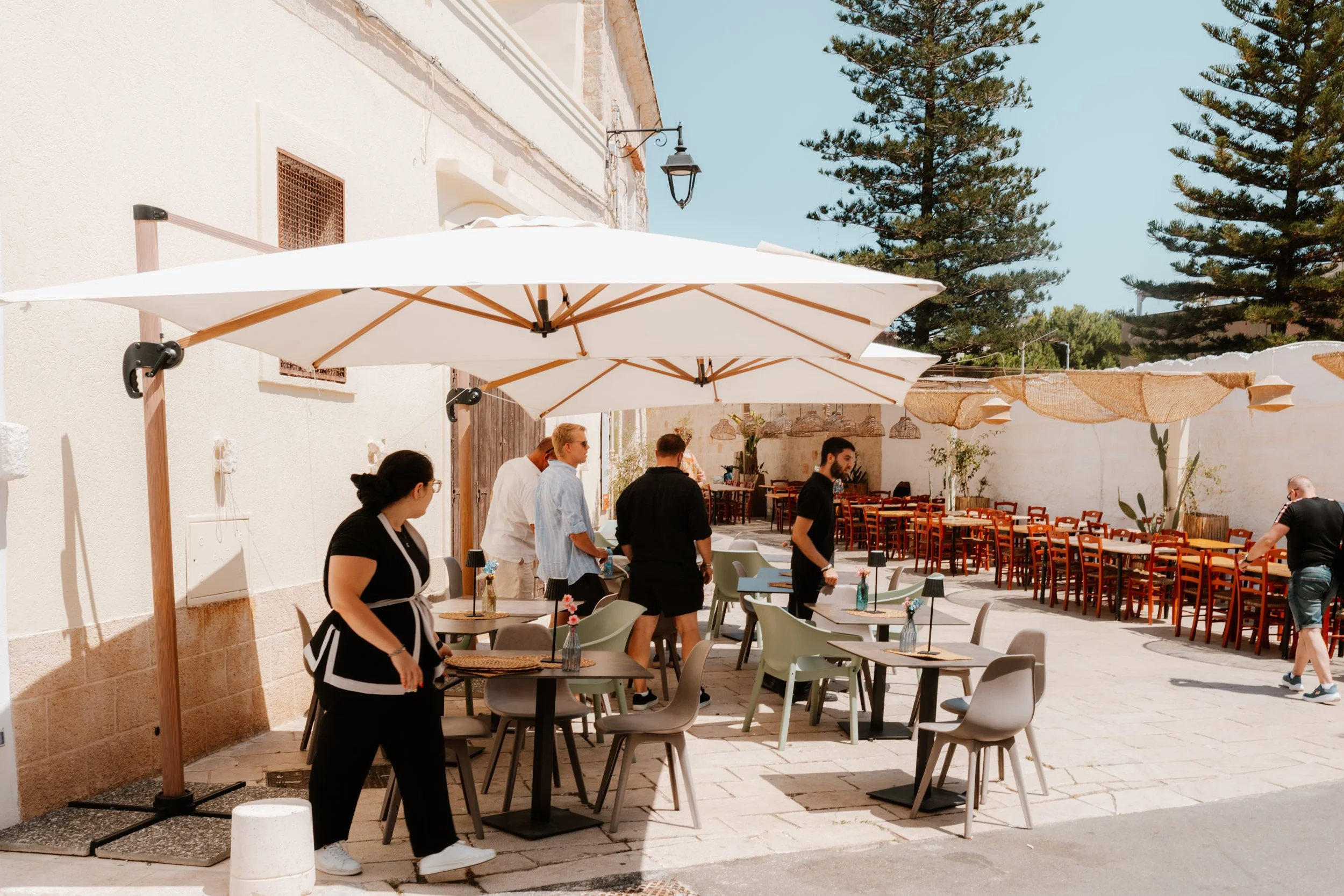
Every summer the Mediterranean becomes a destination. Roads fill with cars carrying paddleboards and bicycles. Beaches become crowded before midday. Restaurants extend their tables onto narrow streets, and cameras turn towards the same sunsets that have been photographed thousands of times before.
It's easy to think that this is the real story of the Mediterranean. But i don’t think it is. Beneath the rhythm of summer holidays, another rhythm continues almost unnoticed. It doesn't disappear when visitors arrive, nor does it end when they leave. It belongs to the people who have organised their lives around the sea for generations. That quieter story is the one that fascinates me most.
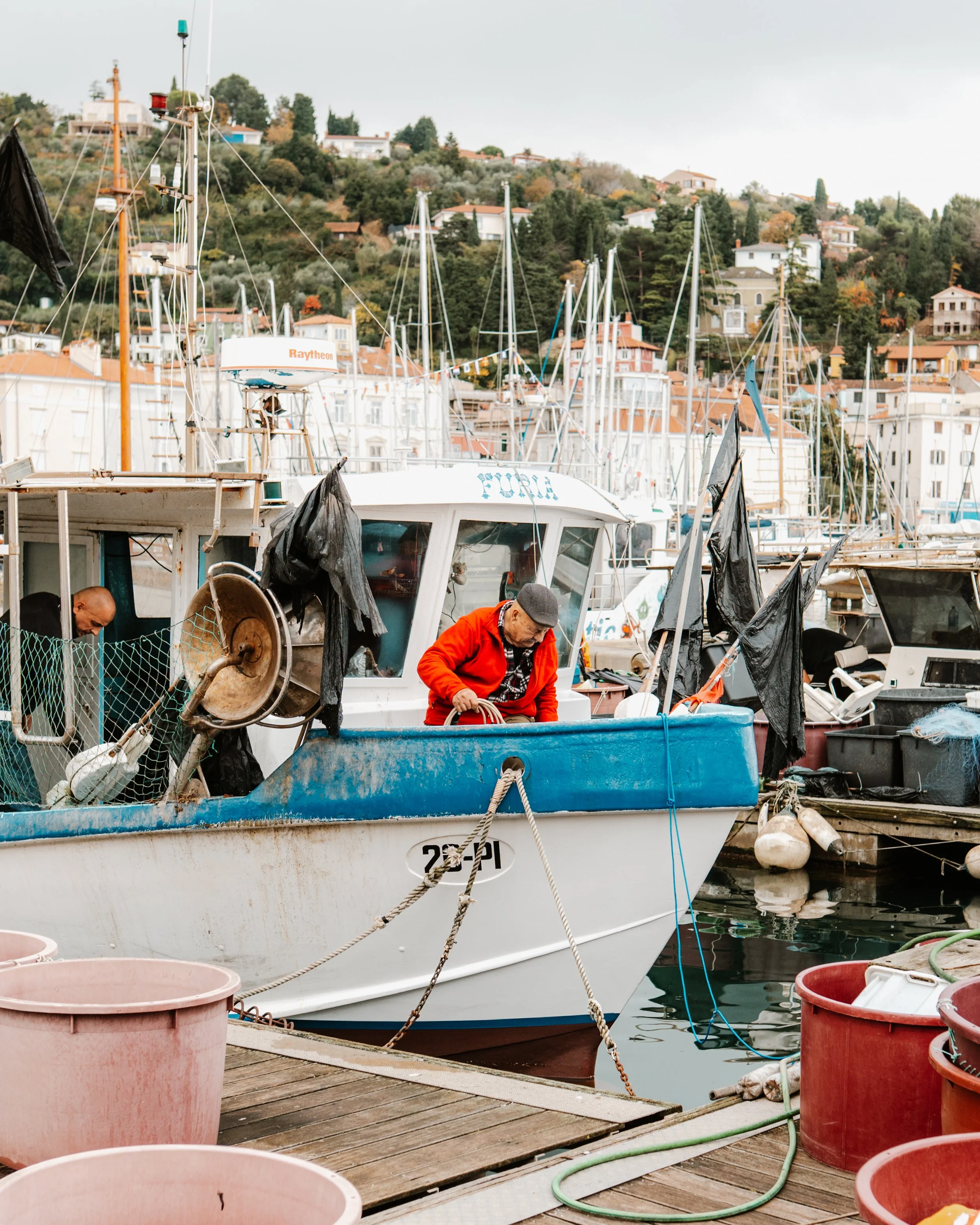
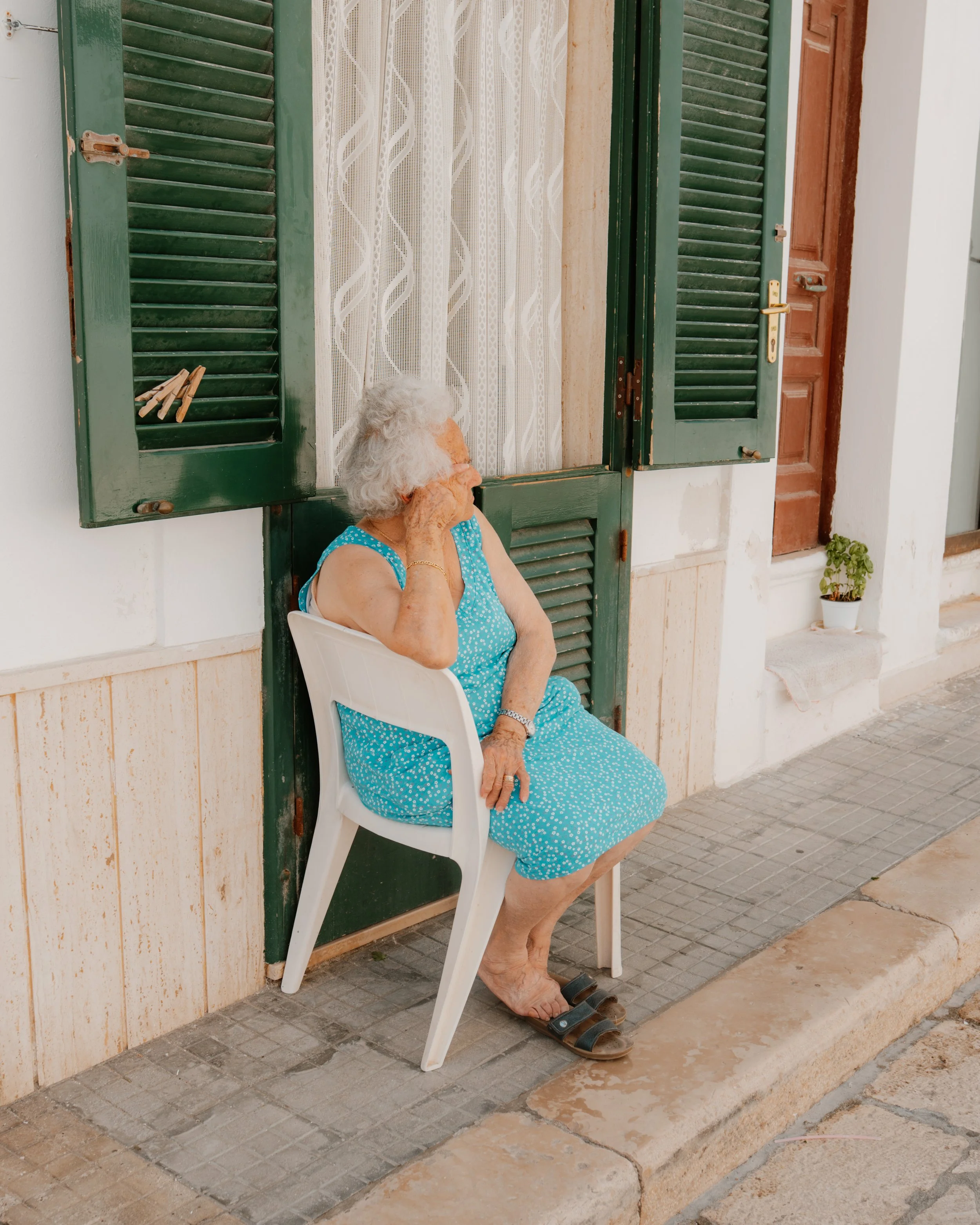
The sea is often described as beautiful, but beauty is only a small part of what it means here. For the people who live beside it, the sea is less a destination than a neighbour. It influences ordinary decisions, everyday routines and the pace of life in ways that visitors rarely notice. Fishing boats are untied before sunrise and returned to the harbour long before most beaches begin to fill. Nets are repaired in the shade. Salt slowly settles on windows, walls and wooden doors. Children grow up learning the sea as naturally as they learn the streets around their homes. Elderly neighbours still choose the same benches overlooking the harbour, not because the view is extraordinary, but because it has always been part of their day. These moments don't demand attention. They simply repeat, quietly, season after season. Perhaps that's why they are so easy to overlook.
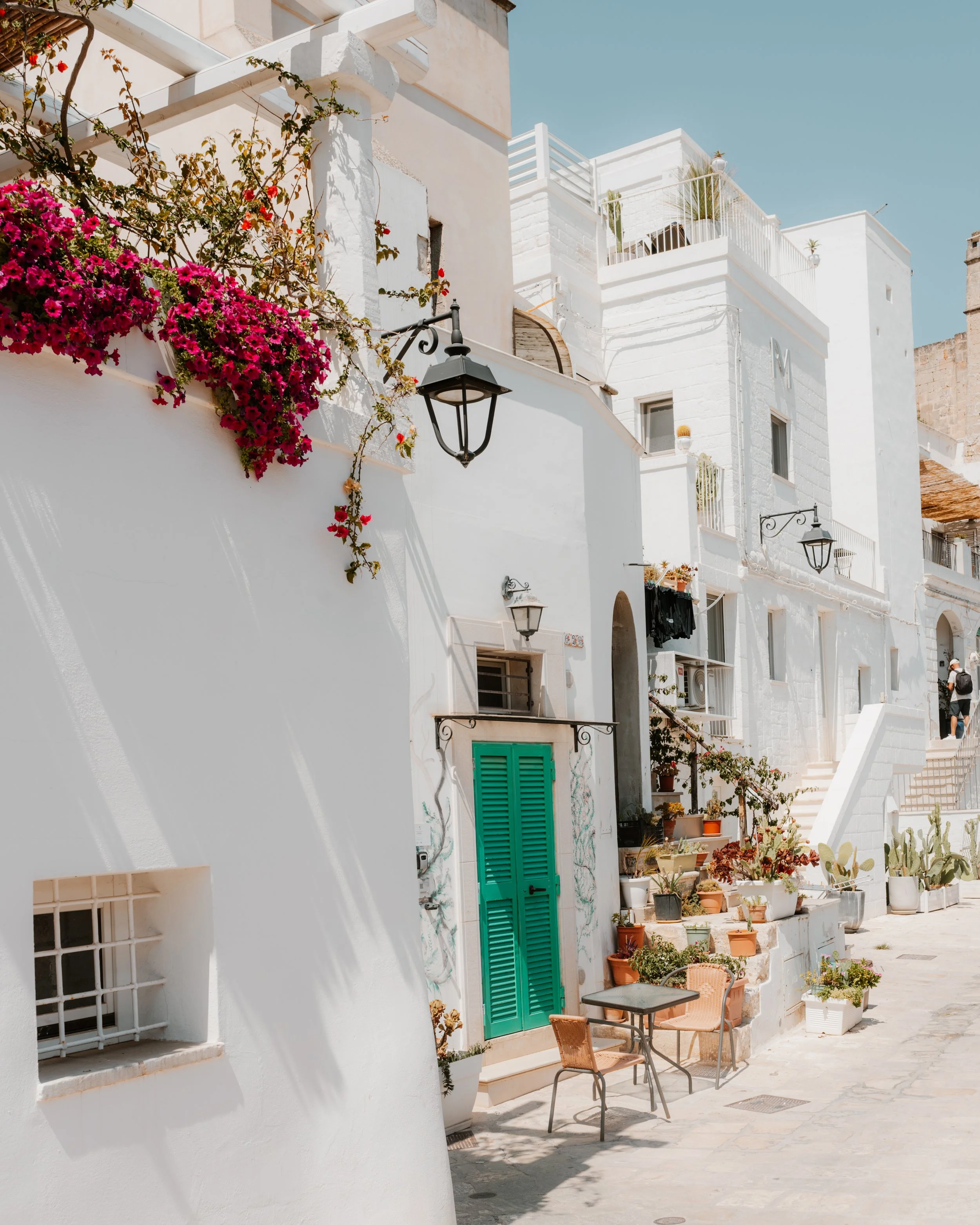
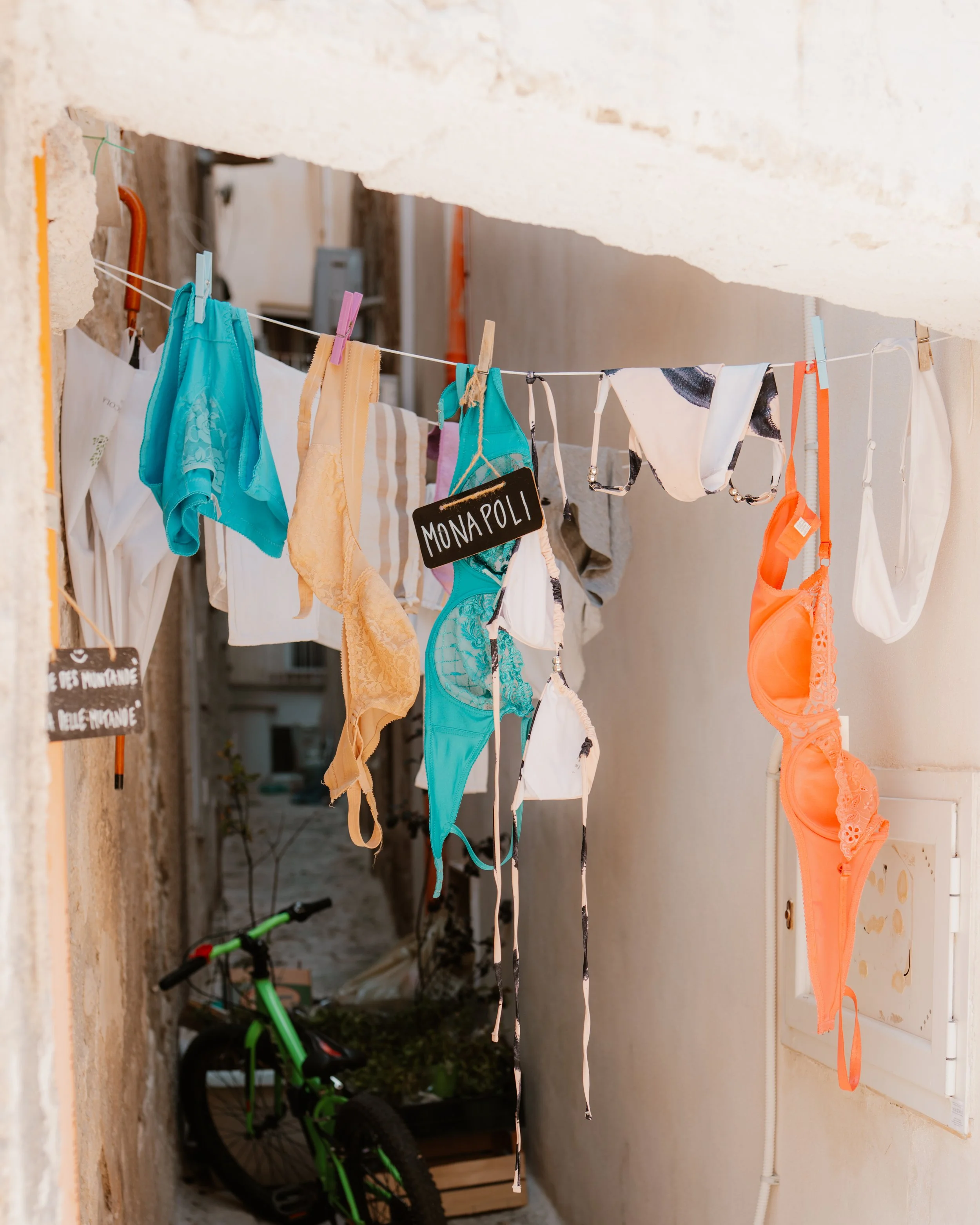
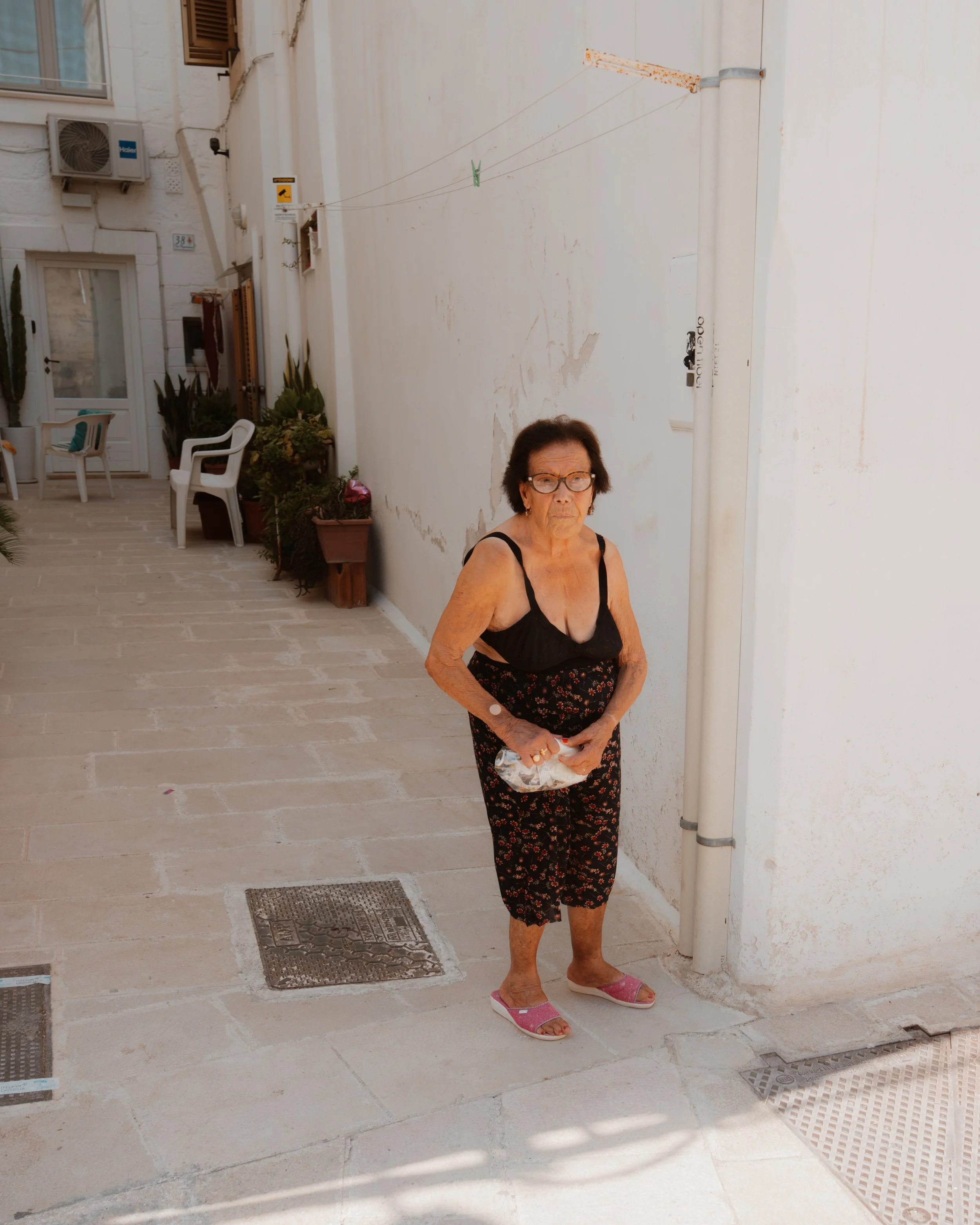
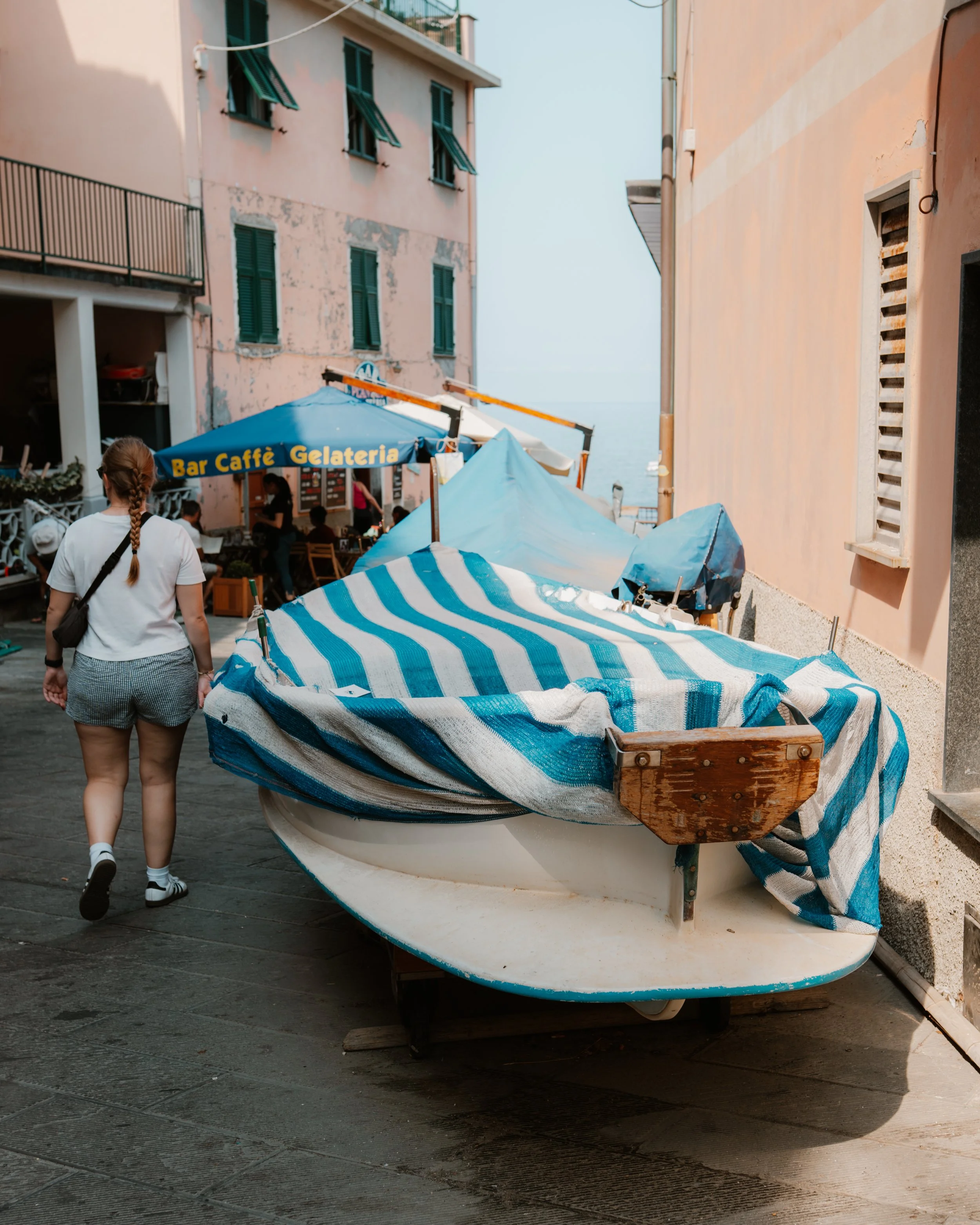
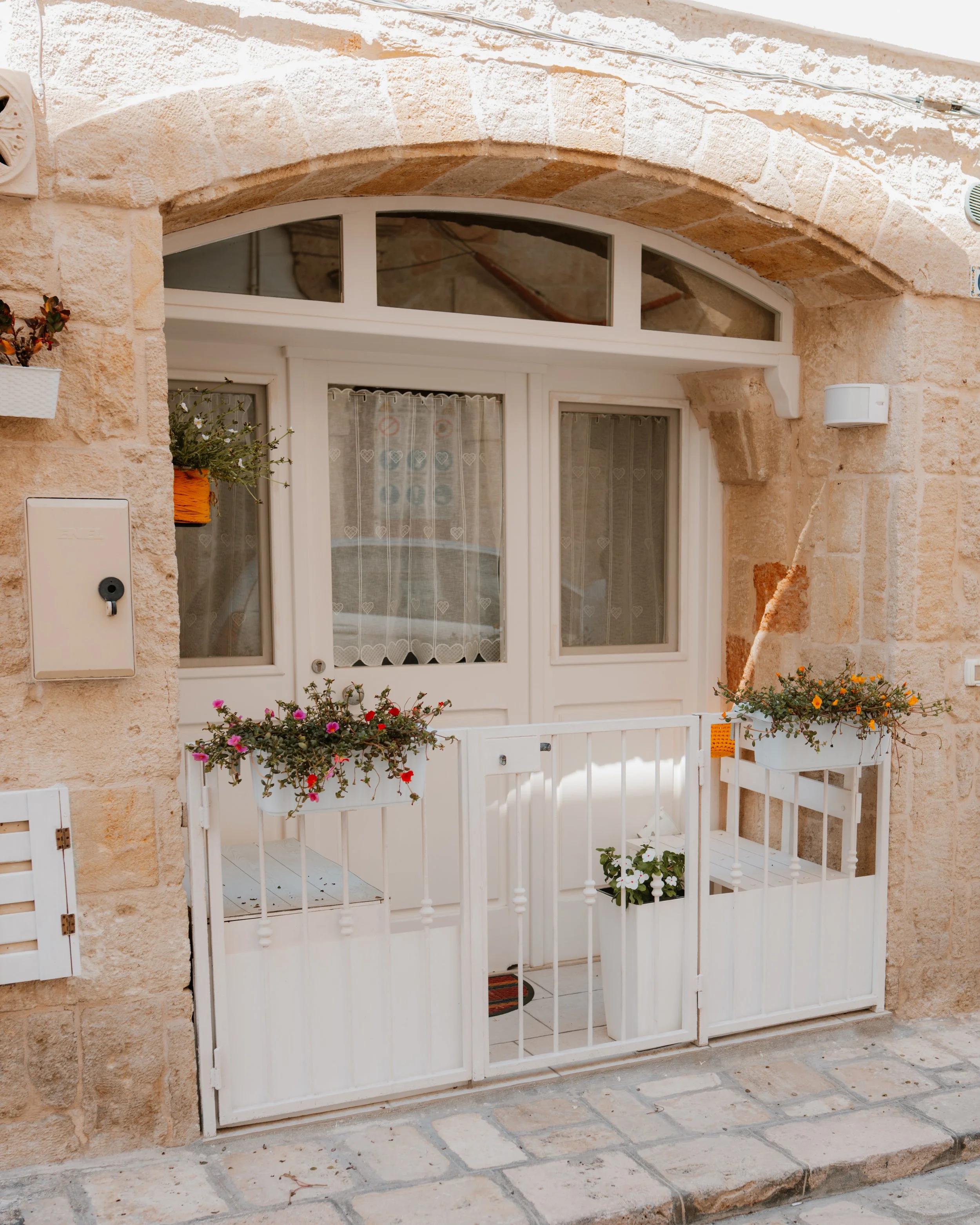
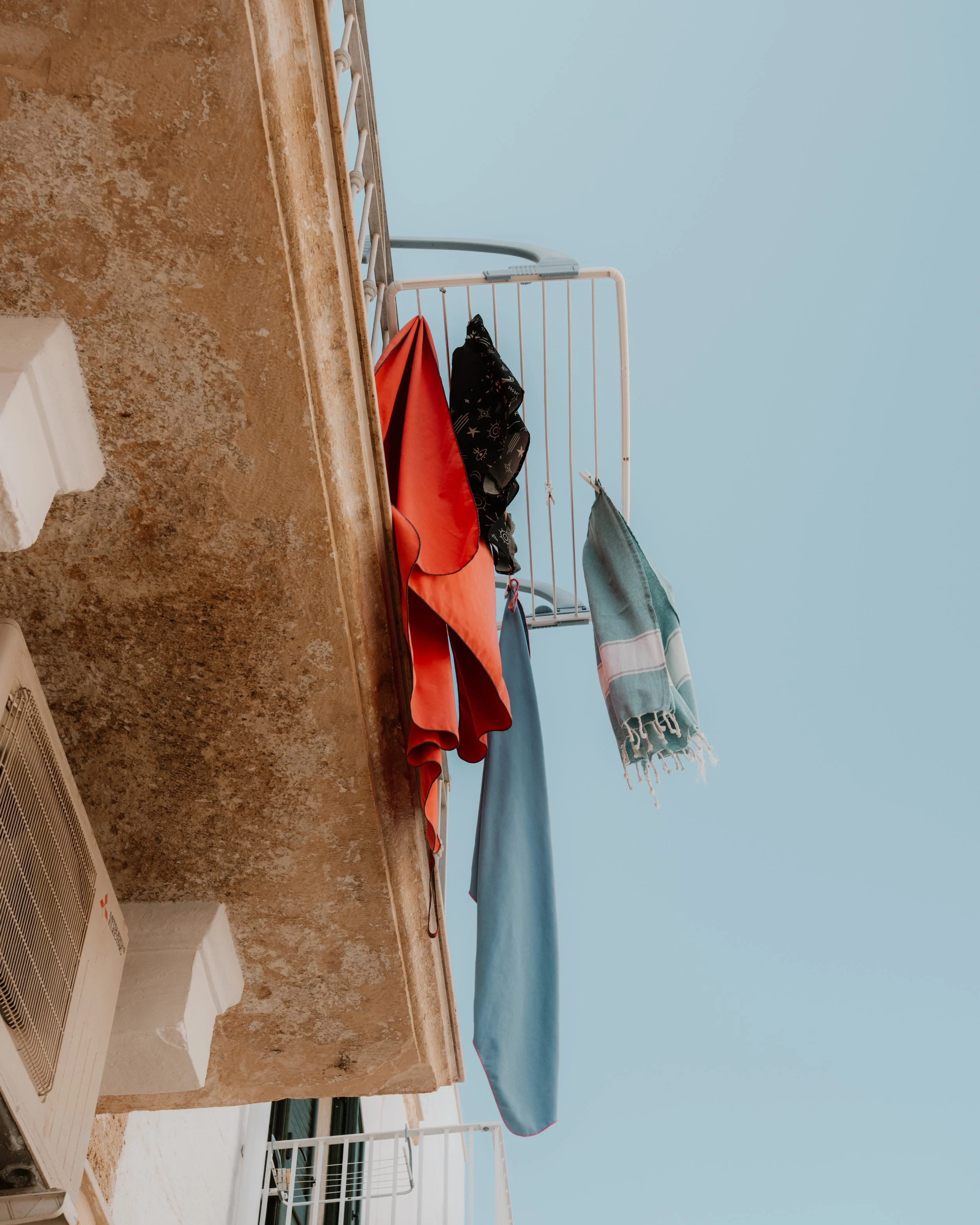
Travelling with a camera often creates the temptation to search for dramatic landscapes or iconic viewpoints. There is always another cliff, another hidden beach or another famous street waiting to be photographed. Yet some of the most memorable photographs rarely come from those places. They appear while walking away from them. A small fishing boat resting on worn stone. A length of rope disappearing beneath clear water. A weathered wall marked by decades of sea air. A pair of sandals waiting outside a doorway. A towel drying in the afternoon breeze.
None of these subjects seem remarkable on their own. Together, however, they begin to describe something much larger. They reveal a way of living where the sea quietly shapes daily life without needing to be noticed every moment. That relationship becomes visible through small details. A harbour, for example, is rarely just a place where boats are kept. It is where neighbours stop to talk on their way home. Children learn to dive from the same stone walls their parents once used. Fishermen watch the weather as carefully as the clock. Boats drift gently on their moorings, waiting for tomorrow rather than performing for visitors. Even when nothing appears to be happening, life continues.
In many Mediterranean villages, the sea is present in almost every direction. Houses face it. Paths lead towards it. Restaurants depend on it. Local traditions grew from it. It influences architecture, food, work and even conversation. It becomes difficult to separate daily life from the coastline because the two have developed together over centuries. Perhaps this is why the Mediterranean feels different from many other places.
The connection between people and the sea isn't built around special occasions. It exists through repetition. Walking to the harbour every morning. Checking the wind before leaving home. Washing salt from a boat at the end of the day. Meeting friends where the fishing boats are tied. Watching children disappear into the water after dinner. These aren't memorable because they are unusual. They are memorable because they happen so often that they have become part of everyday life. That quiet familiarity is difficult to photograph. It asks for patience rather than speed. Instead of searching for the perfect moment, it asks us to notice the ordinary ones.
Sometimes that means putting the camera down and simply sitting in the harbour for an hour. Watching who arrives first. Who stays the longest. Which boats leave. Which remain tied to the quay. How the light changes across the stone walls. How conversations begin and end without any obvious urgency. Slowly, the place begins to reveal itself. Not through famous landmarks, but through patterns. The same fisherman returning each evening. The same café opening before sunrise. The same path leading from the village to the water. The same boats gently rising and falling with the tide. These repeated moments create a sense of continuity that feels increasingly rare. Even on the busiest summer days, this quieter rhythm never completely disappears.
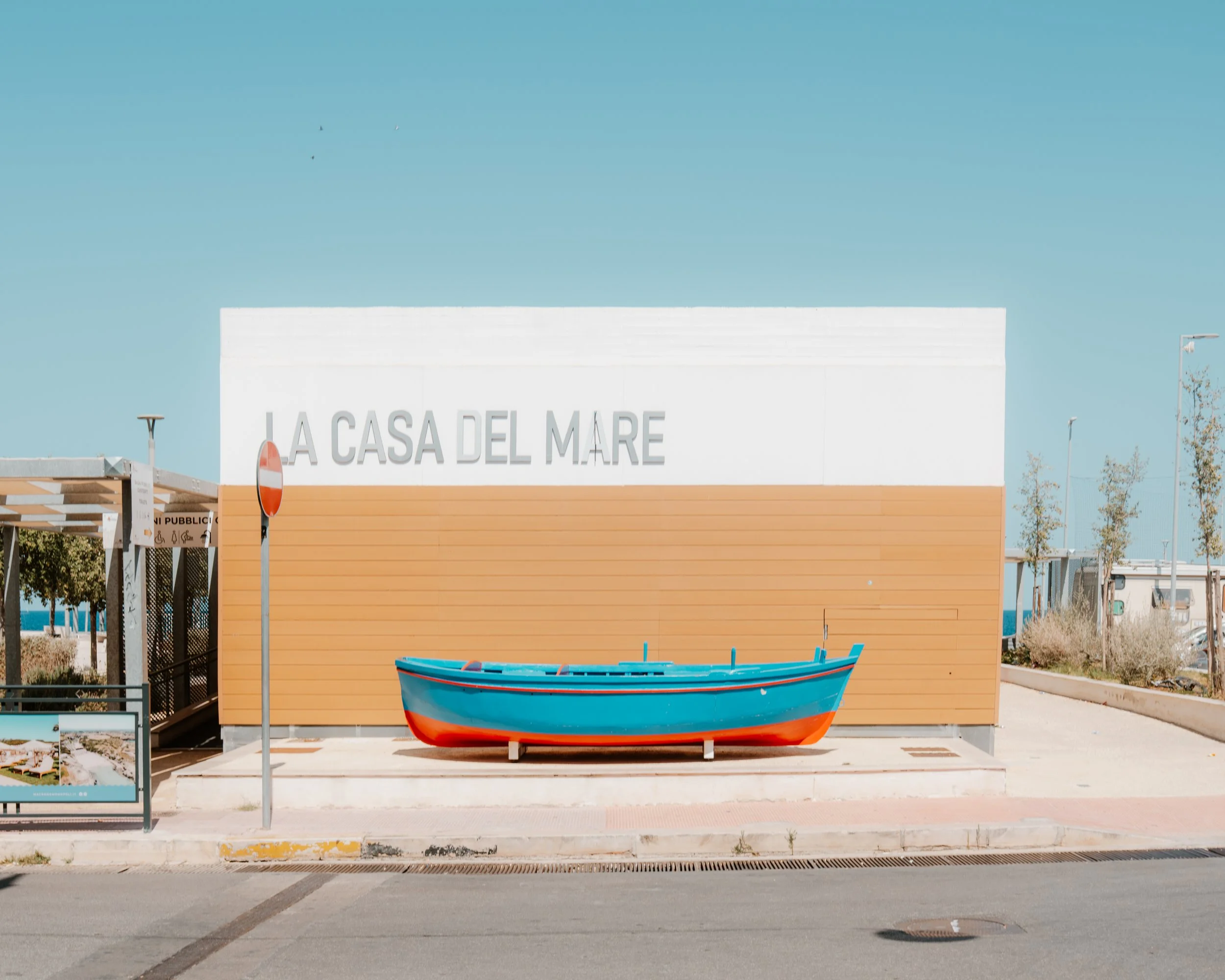
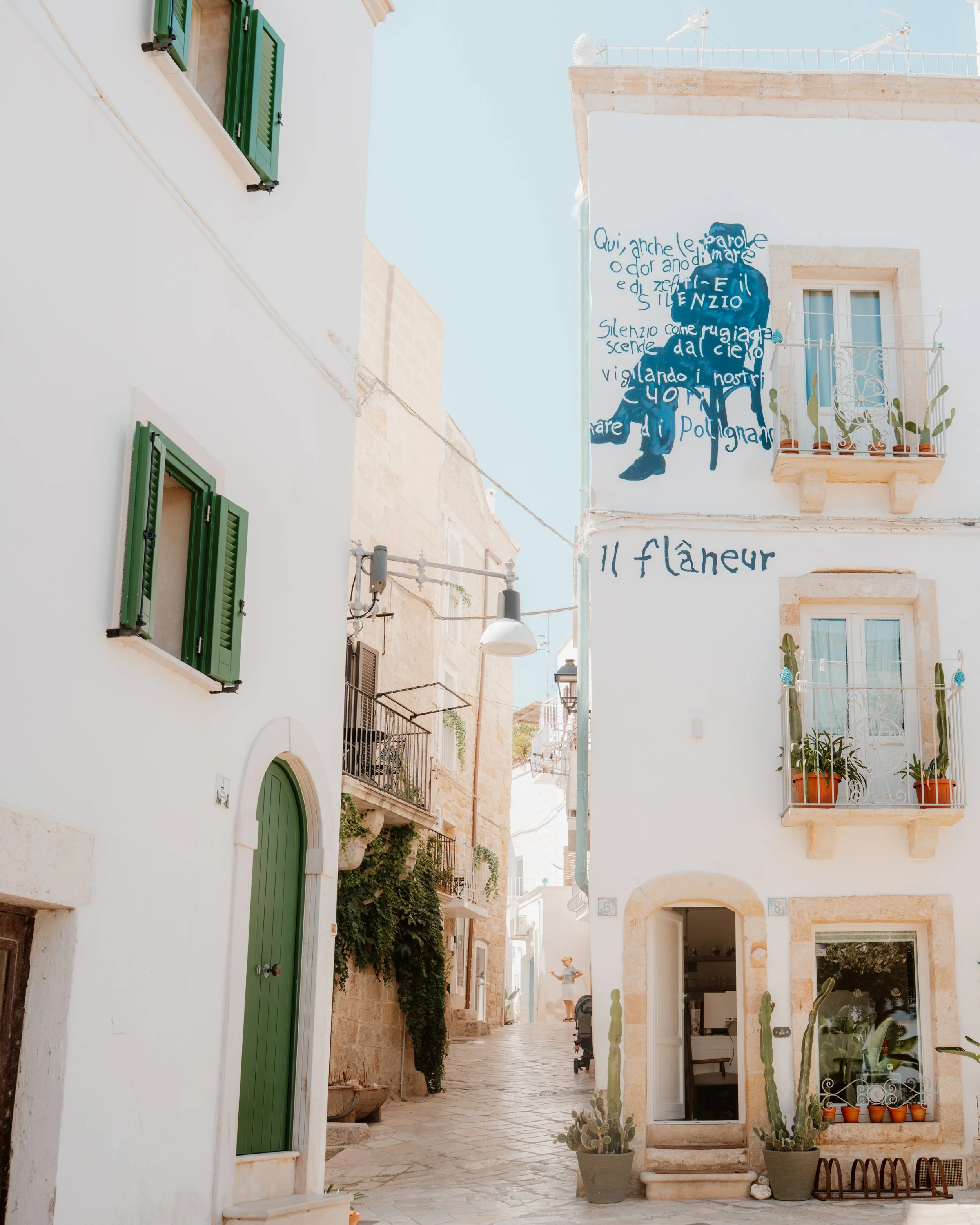
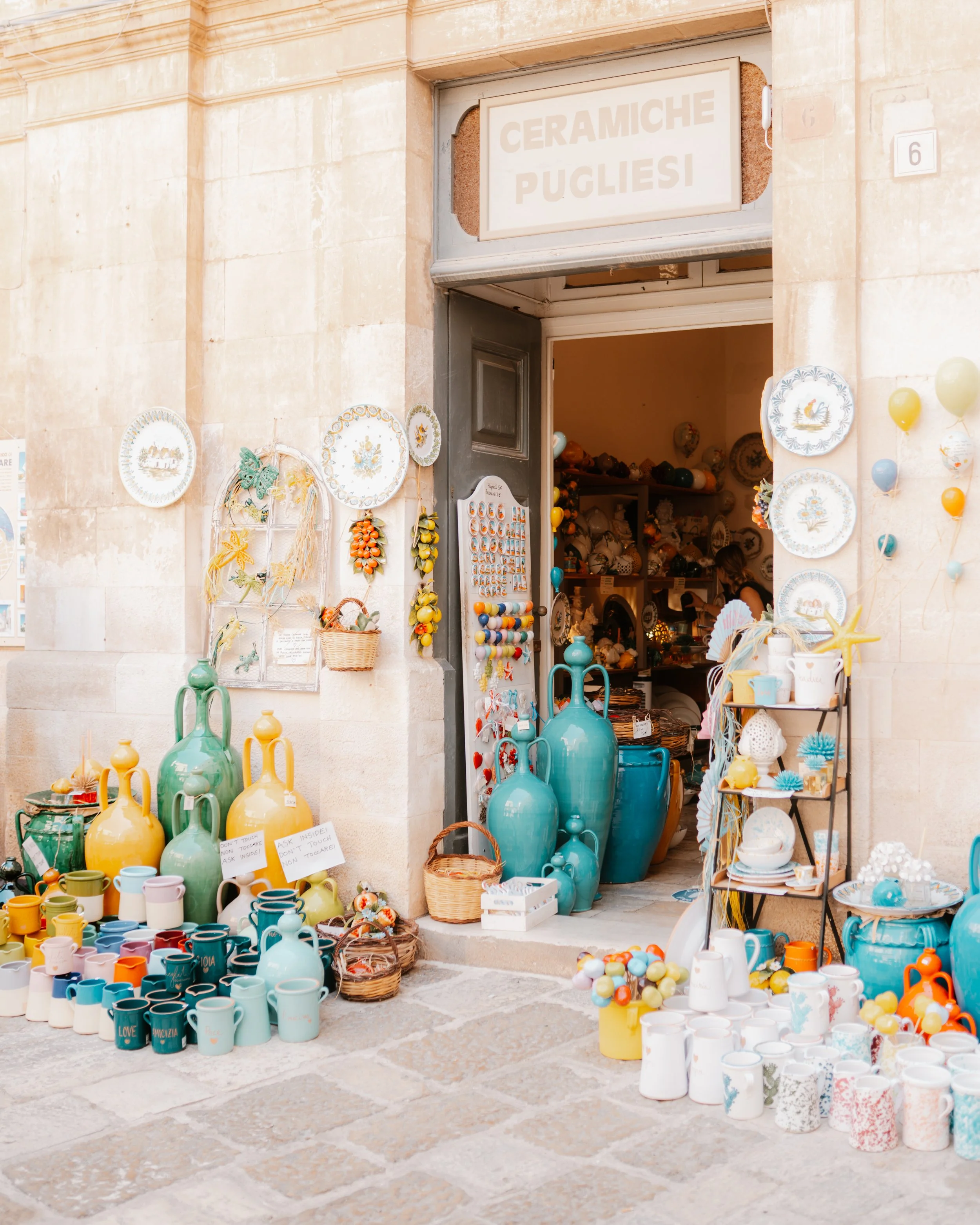
Monopoli, Puglia, Italy · 2025
Tourists arrive carrying umbrellas, inflatable toys and cool boxes. Children laugh on crowded beaches. Kayaks and paddleboards fill the coves. Yet only a few streets away, someone is repairing fishing nets exactly as they did yesterday. Someone is preparing a small boat for tomorrow morning. Someone is sitting beside the harbour with no intention of swimming or taking photographs.
The sea means different things to different people. For some, it is a holiday. For others, it is work. For many, it is simply home. Perhaps that is why places like Piran, Kamenjak, Monopoli or Polignano continue to feel authentic despite becoming increasingly popular. Their identity isn't created by tourism. It was shaped long before tourism arrived and continues beneath it. Visitors see beautiful water. The people who live here see weather, tides, routines and memories. Neither view is wrong. One simply reaches a little deeper. The longer you spend beside the sea, the more those quieter details begin to matter. The weathered paint on a small fishing boat becomes more interesting than a luxury yacht. A rope floating in clear water says more about a harbour than another wide view of the coastline. Empty chairs facing the sea speak about generations of conversations that happened long before today's visitors arrived.
Places become memorable not only because of what they look like, but because of how life unfolds within them. That is the story I hope to keep following. Not the Mediterranean as a collection of famous beaches or spectacular sunsets, but as a place where ordinary life continues, day after day, shaped by the constant presence of the sea. Because long after the last beach towel has been folded, the restaurants have closed for the season and the roads have grown quiet again, someone will still untie a small boat before sunrise. Someone will still walk home carrying fresh fish. Children will still jump into the water after dinner. The harbour will still fill with familiar voices.
And the sea, as it always has, will simply become ordinary once more.
-Maruša-